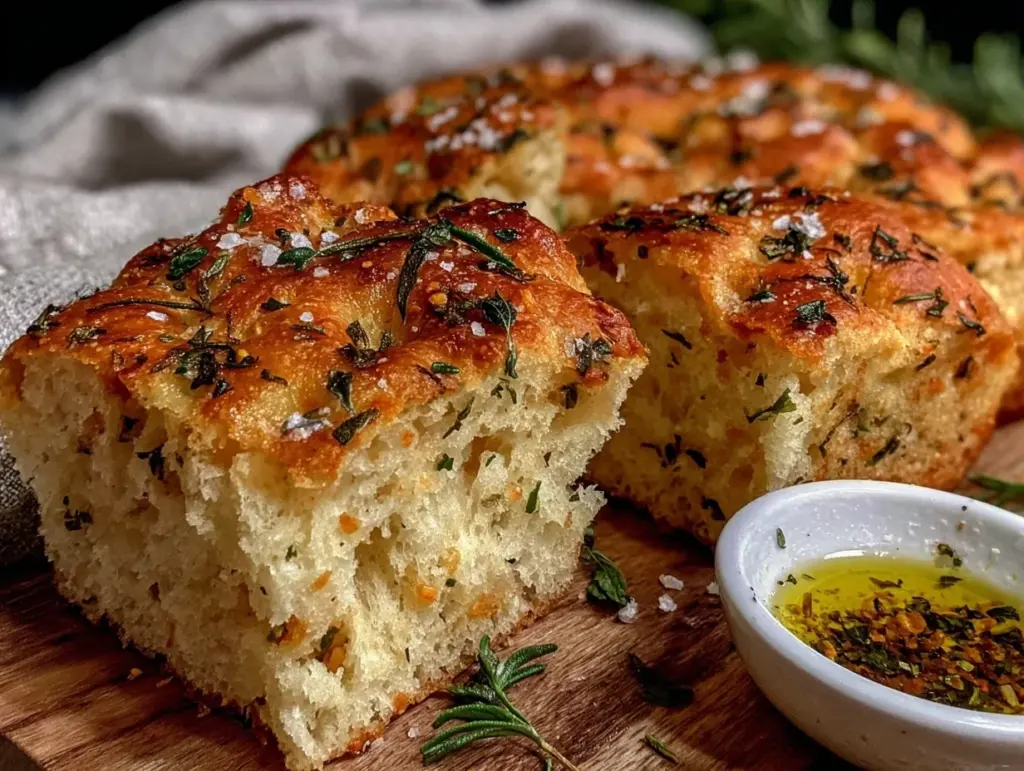
There’s a certain calm that settles over the kitchen when the smell of freshly baked bread fills the air—especially a loaf as inviting as this fluffy fresh herb focaccia bread. I remember one chilly afternoon when I had a few stray sprigs of rosemary and thyme left over from a dinner party. Honestly, I wasn’t planning to make bread that day. But with a bit of flour, yeast, and a splash of olive oil, I decided to throw together a rustic focaccia that would turn out softer and more fragrant than I expected. It was one of those accidental wins where the rustic charm of the homemade loaf made everyone at the table pause, savor, and ask for seconds.
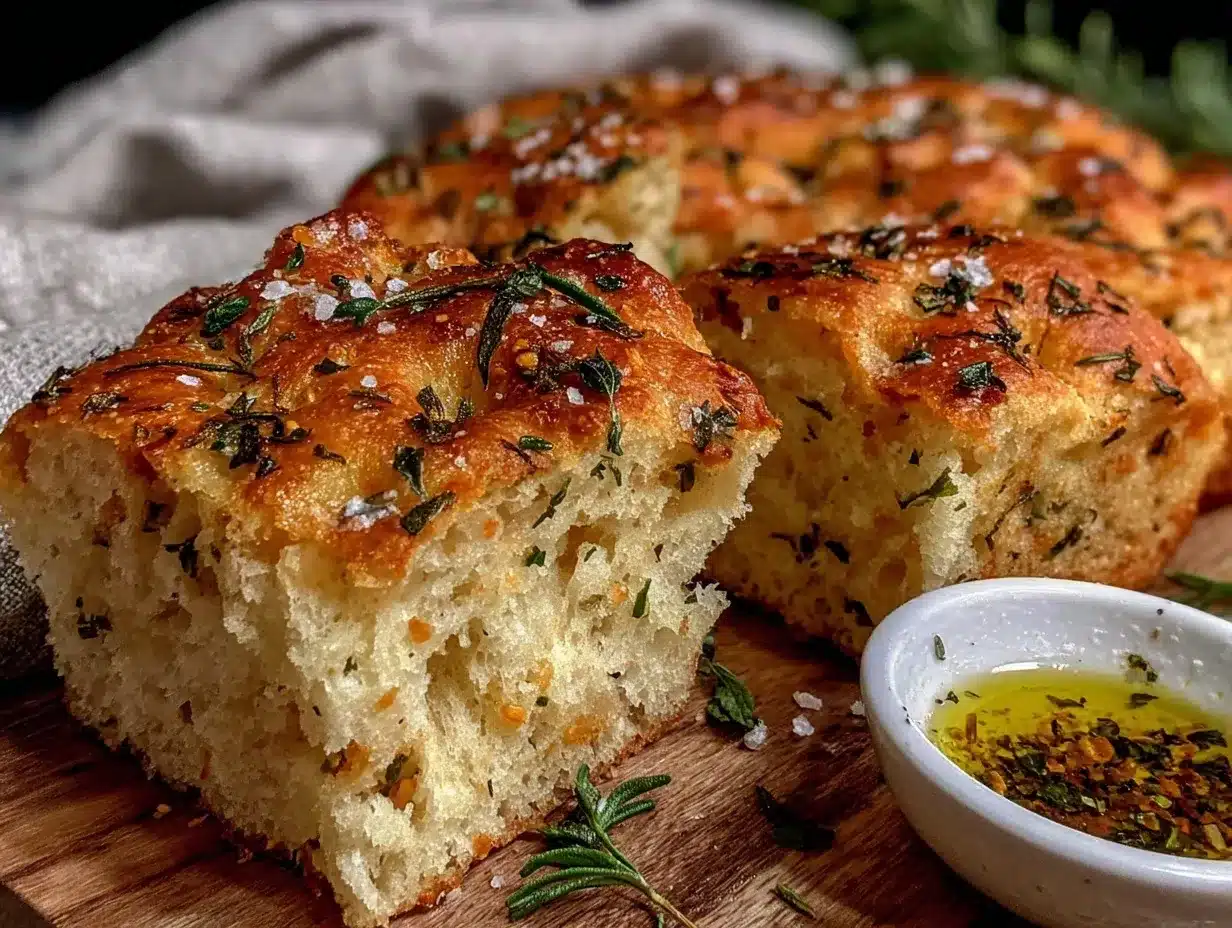
The magic of this focaccia isn’t just in the herbs or the olive oil—it’s in the way the dough rises to a pillowy texture, the little dimples on top catching the glistening oil, and the aroma that hints at simple pleasures. If you’ve ever thought focaccia was intimidating, this recipe might just change your mind. It’s relaxed, forgiving, and honestly, a little addictive. After that first batch, I found myself making it multiple times a week, tweaking the herbs and soaking up the joy of one of the easiest homemade rustic breads you can get.
What sticks with me is how this bread manages to be both casual and something special—perfect for an impromptu snack or a centerpiece alongside a bowl of soup. It’s the kind of recipe that makes you realize homemade bread doesn’t have to be complicated to be truly satisfying.
Why You’ll Love This Fluffy Fresh Herb Focaccia Bread Recipe
Having baked this focaccia countless times, I can say it’s a recipe that delivers every single time. Here’s why it’s become a staple in my kitchen:
- Quick & Easy: Ready in under 2 hours from start to finish, making it ideal for busy weeknights or last-minute gatherings.
- Simple Ingredients: No fancy or hard-to-find items—just pantry staples and fresh herbs you likely have on hand.
- Perfect for Any Occasion: Whether it’s brunch, a cozy dinner, or a casual get-together, this focaccia fits right in.
- Crowd-Pleaser: The soft, fluffy texture combined with aromatic herbs wins over kids and adults alike.
- Unbelievably Delicious: The balance of olive oil, salt, and herbs creates a rustic yet refined flavor that’s comfort food with a twist.
This isn’t just another focaccia recipe floating around the internet. What sets this one apart is the way the dough is handled gently for that light fluffiness and how the fresh herbs are layered in for bursts of flavor. Plus, the dimpled crust catches every bit of oil and seasoning just right. It’s the kind of bread that invites you to close your eyes with the first bite and just savor the moment. Honestly, if you’ve been hesitant about making focaccia, this recipe might just turn you into a believer.
What Ingredients You Will Need
This recipe uses simple, wholesome ingredients to deliver bold flavor and satisfying texture without the fuss. Most are pantry staples, and the fresh herbs bring the rustic charm that makes this bread special.
- For the Dough:
- 3 1/2 cups (440g) all-purpose flour (I prefer King Arthur for consistent results)
- 1 packet (2 1/4 tsp / 7g) active dry yeast
- 1 1/2 tsp sea salt (fine or flaky)
- 1 1/4 cups (300ml) warm water (about 110°F / 43°C)
- 1/4 cup (60ml) extra virgin olive oil, plus more for drizzling
- For the Topping:
- 2 tbsp fresh rosemary leaves, roughly chopped
- 1 tbsp fresh thyme leaves
- Coarse sea salt or flaky Maldon salt for sprinkling
- Optional: minced garlic (1 clove) for a subtle kick
You can swap out fresh herbs for dried if needed, but fresh really makes a difference here. If you want a gluten-free version, try almond flour blends, though the texture will shift a bit. For dairy-free, this recipe is naturally so, and olive oil adds that rich mouthfeel. If you don’t have sea salt, kosher salt works fine, just adjust the amount slightly.
Equipment Needed
- Large mixing bowl – for combining and proofing the dough. A glass or ceramic bowl works best to keep an eye on rising.
- Measuring cups and spoons – to get the ratios exactly right. Accuracy matters here for yeast activation.
- Wooden spoon or dough whisk – to mix the dough gently without overworking.
- Stand mixer with a dough hook (optional) – handy if you want to save your arm from some kneading, but not necessary.
- Baking sheet or rimmed baking pan (approx. 9×13 inches / 23×33 cm) – to shape and bake the focaccia.
- Pastry brush – to apply olive oil before and after baking.
- Kitchen towel or plastic wrap – for covering the dough during proofing.
- Bench scraper or sharp knife – to create the signature dimples and score if desired.
If you don’t have a stand mixer, no worries—I find using a wooden spoon and a bit of patience works just as well. Just be sure your baking pan is well-oiled to prevent sticking. For a budget-friendly option, a rimmed cookie sheet lined with parchment paper can substitute for a baking pan.
Preparation Method
- Activate the Yeast: In your large mixing bowl, stir together the warm water and yeast. Let it sit for 5-7 minutes until it becomes frothy and bubbly. This tells you the yeast is alive and ready to work.
Tip: Water that’s too hot can kill the yeast, so keep it around 110°F (43°C). - Make the Dough: Add the flour, sea salt, and 1/4 cup olive oil to the yeast mixture. Stir with a wooden spoon or dough whisk until a shaggy dough forms.
Note: The dough will be sticky—that’s good! Resist adding extra flour here. - First Rise: Cover the bowl tightly with a kitchen towel or plastic wrap. Let the dough rest in a warm, draft-free spot for 1 to 1 1/2 hours, or until it doubles in size.
Observation: The dough should look puffed and airy, with bubbles visible beneath the surface. - Prepare Your Pan: Drizzle a generous amount of olive oil into your baking sheet, spreading it so the entire surface is slick. This will keep the focaccia moist and give a golden crust.
- Shape the Dough: Transfer the risen dough onto the oiled pan. Gently stretch and press it out to fill the pan, about 1/2 to 3/4 inch (1.3 to 2 cm) thick. Don’t worry if it’s uneven—rustic charm comes from imperfection.
Tip: Use oiled hands to avoid sticking. - Second Rise and Dimpling: Cover the dough again and let it rise for another 30-45 minutes, until it puffs up slightly.
Then, use your fingertips to press deep dimples all over the surface—this traps the olive oil and herbs later.
Warning: Be gentle to keep the air bubbles intact. - Add Herbs and Oil: Sprinkle chopped rosemary and thyme evenly over the dough. If you like garlic, scatter minced cloves now. Generously drizzle more olive oil over the top, letting it pool in the dimples.
Finish with a sprinkle of coarse sea salt. - Bake: Preheat your oven to 425°F (220°C). Bake the focaccia for 20-25 minutes, until golden brown and cooked through.
Sensory cue: The bread should smell fragrant and have a crispy, golden crust. - Cool and Serve: Remove from the oven and brush with a bit more olive oil while still warm. Let it cool slightly before slicing.
Tip: Warm focaccia is best enjoyed fresh but also stores well.
Cooking Tips & Techniques
Getting focaccia just right is all about a few key moves and knowing what to watch out for. Here’s what I’ve learned from baking this recipe over and over:
- Don’t Overwork the Dough: Focaccia dough is sticky and soft—that’s the secret to its fluffiness. Resist the urge to add too much flour or knead excessively.
- Proofing Times Matter: Yeast loves warmth and time. Let the dough double in size during the first rise and puff up again after shaping. If it’s rushed, the crumb will be dense.
- Use Plenty of Olive Oil: This bread soaks up oil like a sponge. The olive oil not only keeps it moist but also adds flavor and that irresistible golden crust.
- Don’t Skip the Dimples: Those finger holes aren’t just decorative—they help hold the oil and herbs, making every bite flavorful.
- Watch Your Oven: Baking times can vary. Keep an eye on the focaccia after 20 minutes to avoid burning, especially if your oven runs hot.
- Multitasking Tip: While the dough rises, prep your herbs or set the table to make the most of your time.
I once baked this focaccia without letting it rise enough the second time—it came out heavy and flat, a reminder that patience really is part of the recipe’s charm. Also, when I bake it on a well-oiled pan, the edges crisp up just right, so don’t skimp on that step.
Variations & Adaptations
While the fresh herb version is classic, you can easily tweak this recipe to suit your mood or dietary needs:
- Cheesy Twist: Add shredded mozzarella or parmesan cheese on top before baking for a melty, savory upgrade.
- Seasonal Herbs: In summer, swap rosemary and thyme for basil and oregano or toss in sun-dried tomatoes for a Mediterranean vibe.
- Garlic Infusion: Mix roasted garlic into the dough or brush with garlic-infused olive oil for deeper flavor.
- Whole Wheat Version: Replace half the flour with whole wheat for a nuttier, heartier loaf.
- Allergen-Friendly: Use gluten-free flour blends if needed, but note the texture will be less airy.
One personal favorite variation is adding a handful of sliced olives and a sprinkle of chili flakes, which gives the focaccia a subtle heat and briny pop. Just toss them on top before baking and enjoy the rustic, bold flavors.
Serving & Storage Suggestions
This focaccia shines best fresh and warm, but it’s versatile enough for leftovers:
- Serving Temperature: Enjoy warm or at room temperature. It pairs beautifully with soups, salads, or as a sandwich base.
- Presentation: Slice into rustic squares or tear by hand for a casual feel. Sprinkle extra fresh herbs or a drizzle of olive oil before serving.
- Storage: Wrap tightly in plastic wrap or store in an airtight container. It stays fresh at room temperature for 2 days.
- Freezing: Cool completely, then freeze in a zip-top bag for up to 3 months. Thaw overnight and warm in the oven.
- Reheating: Pop slices in a 350°F (175°C) oven for 5-7 minutes to revive the crisp crust.
Flavors develop slightly over time, with the herbs infusing deeper into the bread. If you plan to serve it later, a quick reheat will bring back that just-baked magic.
Nutritional Information & Benefits
Each serving of this fluffy fresh herb focaccia bread (about one eighth of the pan) contains approximately:
| Calories | 220 kcal |
|---|---|
| Carbohydrates | 28g |
| Fat | 8g (mostly from heart-healthy olive oil) |
| Protein | 5g |
| Fiber | 1.5g |
Olive oil provides beneficial monounsaturated fats and antioxidants, while fresh herbs add vitamins and minerals plus natural flavor without extra sodium. This focaccia is a satisfying option for those seeking comfort food with a touch of wholesomeness. Be mindful of gluten content if you have sensitivities, but there are easy substitutions to accommodate most diets.
Conclusion
If you’re looking for a homemade bread recipe that feels both approachable and special, this fluffy fresh herb focaccia with rustic charm is a winner. It’s proof that simple ingredients and a bit of time can create something truly comforting and delicious. Feel free to make it your own—swap herbs, add toppings, or keep it classic. Personally, I love how it fills the kitchen with warmth and invites everyone to gather around the table, no fuss, just good food.
Give it a try and see how this recipe might become your go-to for homemade bread—easy enough for weeknights, impressive enough for guests. I’d love to hear how you customize it or what moments it brings to your table.
Frequently Asked Questions
Can I make this focaccia without fresh herbs?
Yes! Dried herbs work in a pinch—use about one-third the amount of fresh herbs. The flavor will be less vibrant but still tasty.
How do I know if my yeast is still good?
If your yeast mixture bubbles and froths within 5-7 minutes of adding to warm water, it’s active. If not, it’s best to use a fresh packet.
Can I use gluten-free flour for this recipe?
You can substitute with a gluten-free all-purpose blend, but expect a denser texture. Adding a binding agent like xanthan gum may help.
What’s the best way to store leftover focaccia?
Wrap it tightly at room temperature for up to 2 days or freeze for longer storage. Reheat in the oven before serving to refresh the crust.
Can I add other toppings like olives or cheese?
Absolutely! Olives, caramelized onions, cherry tomatoes, or cheeses like parmesan and mozzarella make great additions before baking.
Pin This Recipe!
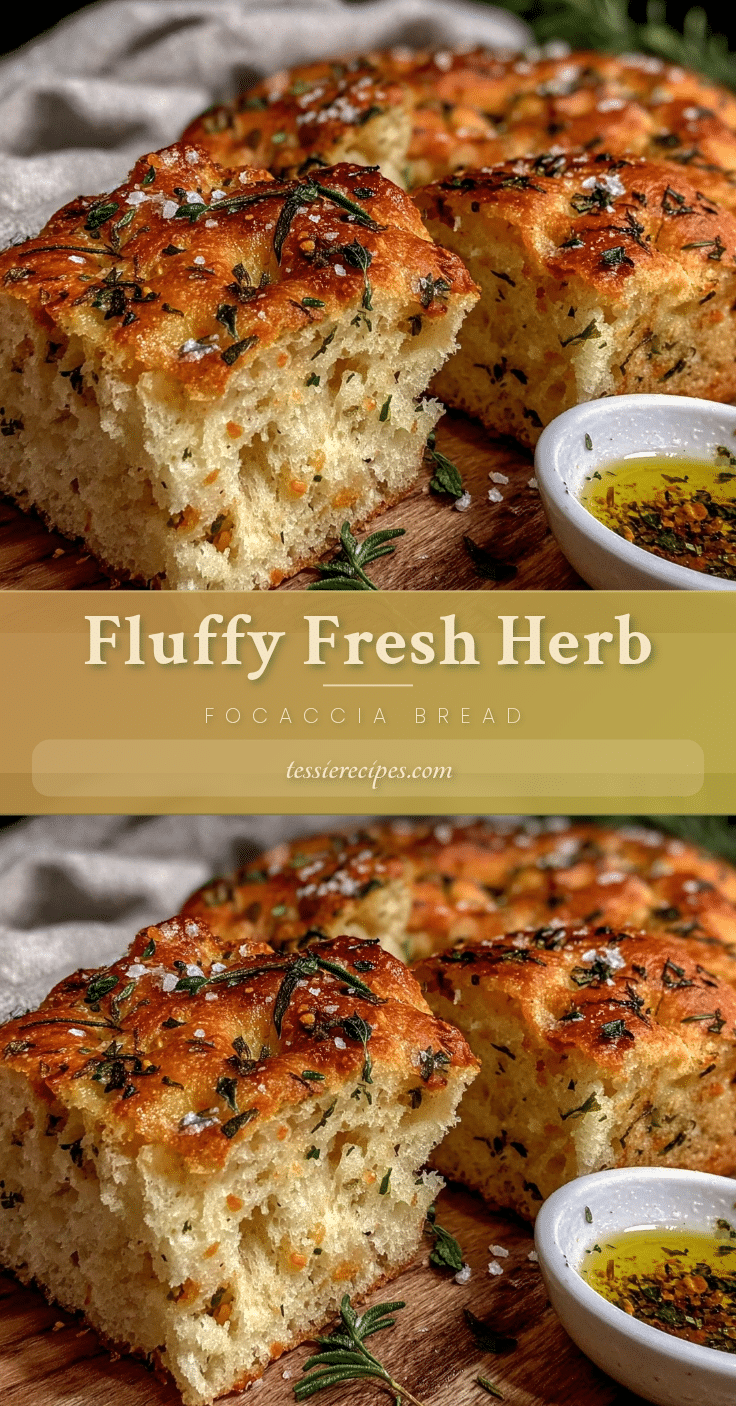
Fluffy Fresh Herb Focaccia Bread

A soft, fluffy homemade focaccia bread infused with fresh rosemary and thyme, perfect for any occasion and easy to make with simple pantry ingredients.
- Prep Time: 15 minutes
- Cook Time: 25 minutes
- Total Time: 1 hour 45 minutes
- Yield: 8 servings 1x
- Category: Bread
- Cuisine: Italian
Ingredients
- 3 1/2 cups (440g) all-purpose flour
- 1 packet (2 1/4 tsp / 7g) active dry yeast
- 1 1/2 tsp sea salt (fine or flaky)
- 1 1/4 cups (300ml) warm water (about 110°F / 43°C)
- 1/4 cup (60ml) extra virgin olive oil, plus more for drizzling
- 2 tbsp fresh rosemary leaves, roughly chopped
- 1 tbsp fresh thyme leaves
- Coarse sea salt or flaky Maldon salt for sprinkling
- Optional: 1 clove minced garlic
Instructions
- Activate the yeast by stirring warm water and yeast in a large mixing bowl. Let sit for 5-7 minutes until frothy.
- Add flour, sea salt, and 1/4 cup olive oil to the yeast mixture. Stir with a wooden spoon or dough whisk until a shaggy dough forms.
- Cover the bowl with a kitchen towel or plastic wrap and let the dough rise in a warm, draft-free spot for 1 to 1 1/2 hours until doubled in size.
- Drizzle a generous amount of olive oil into a 9×13 inch baking sheet, spreading it evenly.
- Transfer the risen dough onto the oiled pan and gently stretch and press it out to about 1/2 to 3/4 inch thick using oiled hands.
- Cover the dough again and let it rise for another 30-45 minutes until slightly puffed.
- Use fingertips to press deep dimples all over the surface of the dough.
- Sprinkle chopped rosemary, thyme, and optional minced garlic evenly over the dough. Drizzle more olive oil over the top and sprinkle with coarse sea salt.
- Preheat oven to 425°F (220°C). Bake the focaccia for 20-25 minutes until golden brown and cooked through.
- Remove from oven, brush with more olive oil while warm, and let cool slightly before slicing.
Notes
Do not overwork the dough; keep it sticky for fluffiness. Use plenty of olive oil for moisture and flavor. Be gentle when dimpling to keep air bubbles intact. Watch oven closely after 20 minutes to avoid burning. The bread stores well at room temperature for 2 days and freezes up to 3 months.
Nutrition
- Serving Size: About one eighth of
- Calories: 220
- Fat: 8
- Carbohydrates: 28
- Fiber: 1.5
- Protein: 5
Keywords: focaccia, fresh herb bread, rosemary, thyme, homemade bread, easy focaccia, rustic bread, olive oil bread