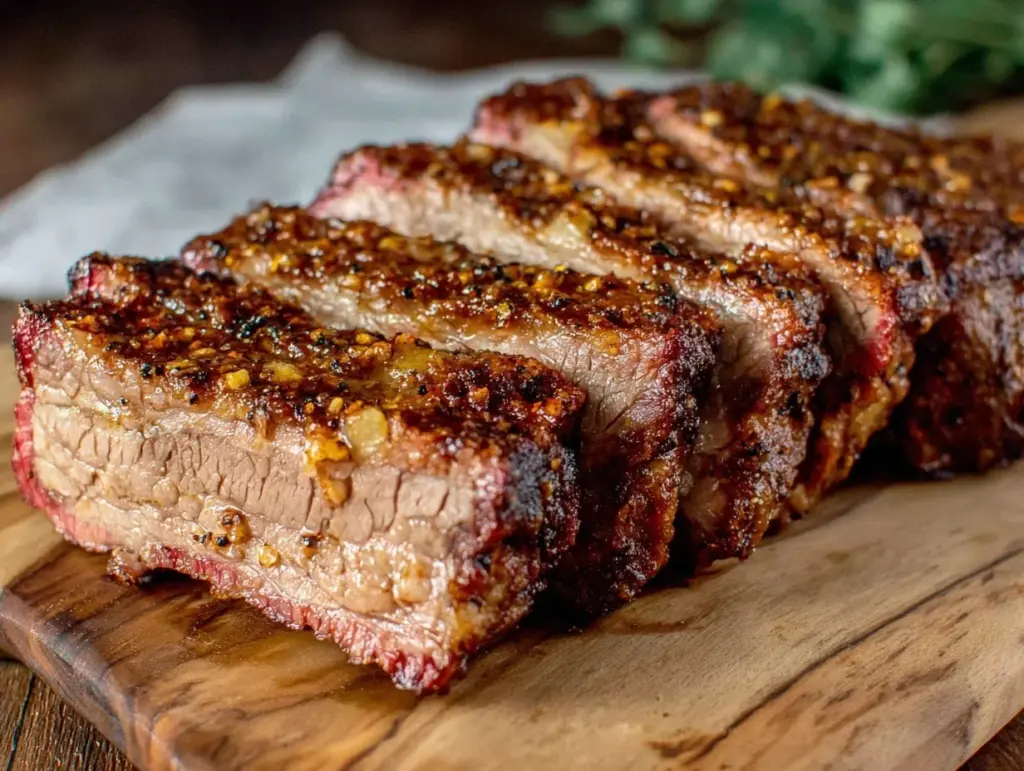
“You ever have one of those weekends where your plans just kind of fall apart, and suddenly you’re staring down a giant brisket in your fridge wondering what the heck to do with it? That was me last summer. The backyard was quiet, the kids were off at camp, and honestly, I was craving something smoky and satisfying—something with a bit of Texas soul. I’d always been a little skeptical about smoked brisket, thinking it was a whole weekend ordeal reserved for pitmasters with fancy rigs. But that afternoon, I grabbed my trusty smoker, dusted off an old family recipe, and went for it.
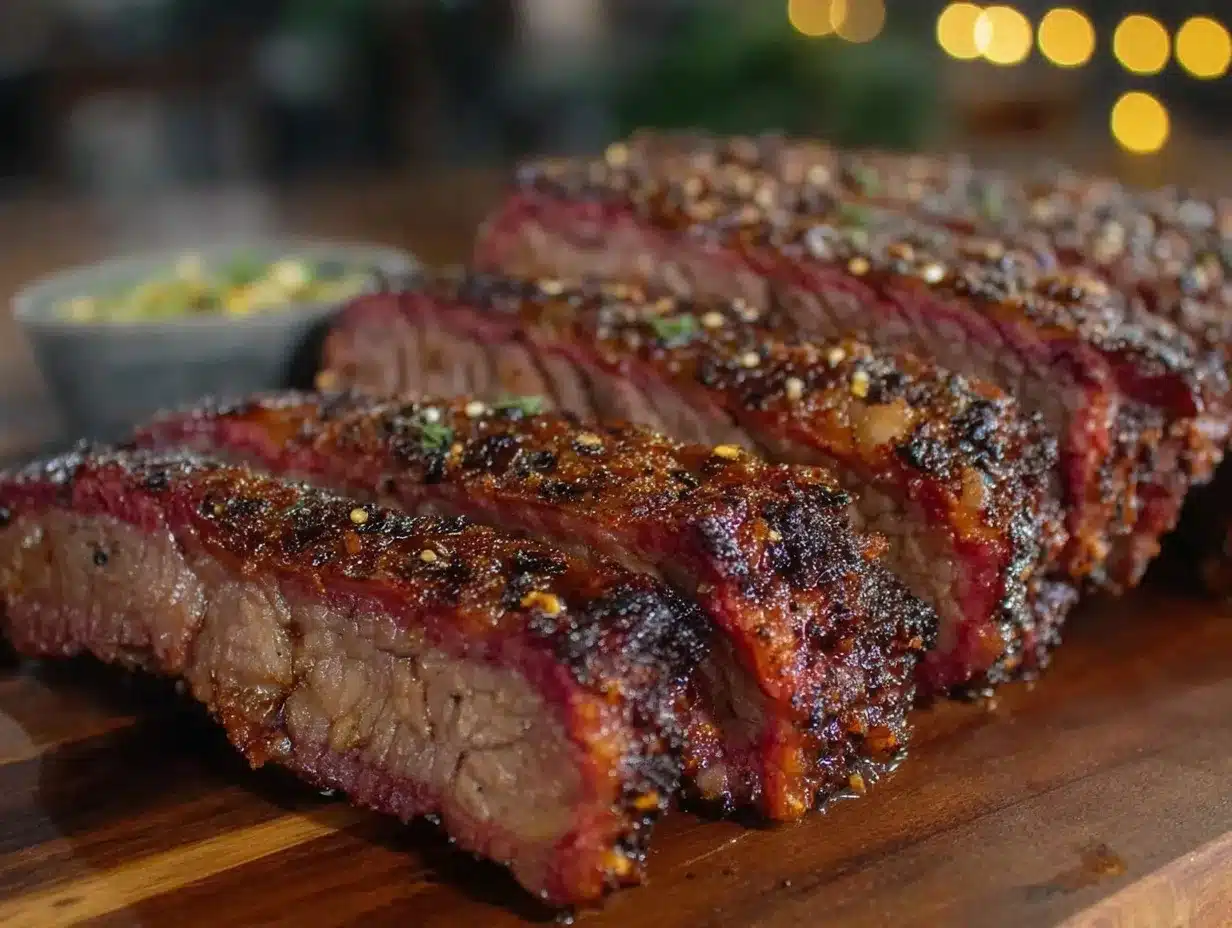
The smell of the Texas dry rub hitting the coals, the slow dance of smoke curling around the meat, and that bark crust forming as the hours ticked by—it was mesmerizing. It’s funny how a tough-looking cut can turn into this melt-in-your-mouth magic if you treat it right. By the time I sliced into it, the bark crackled perfectly, and the brisket was juicy enough to make me forget all about that quiet weekend blues. Honestly, it wasn’t just the best smoked beef brisket I’d made—it became my go-to whenever I needed some serious comfort food with a Texas twist.
There’s something about this recipe that sticks with you—the kind of dish that invites you to slow down, savor every bite, and maybe even share a story or two around the grill. That’s why I’m still making this smoked beef brisket with Texas dry rub and that unforgettable bark crust, week after week. It’s not fancy, just real and satisfying.
Why You’ll Love This Recipe
After smoking countless briskets and tweaking every step, I can say this recipe hits the sweet spot between traditional and approachable. Here’s why it’s become a favorite:
- Quick & Easy: While smoking brisket does take time, the prep is straightforward and comes together in under 20 minutes. Perfect for those weekend grill sessions when you want to impress but keep it simple.
- Simple Ingredients: No need for hard-to-find spices or fancy marinades. The Texas dry rub uses pantry staples like paprika, chili powder, and garlic powder, so you likely have everything on hand.
- Perfect for Any Occasion: Whether it’s a backyard gathering, a casual Sunday dinner, or a holiday feast, this brisket brings that rich, smoky flavor everyone loves.
- Crowd-Pleaser: The bark crust adds a satisfying crunch that pairs beautifully with the tender meat inside. Kids and adults alike ask for seconds (and sometimes thirds!).
- Unbelievably Delicious: The balance of smoky, savory, and slightly spicy notes makes this brisket a standout. Plus, the bark crust gives it that authentic Texas BBQ feel without needing a pitmaster’s skills.
This isn’t just another smoked brisket recipe—it’s one that I’ve refined after more than a dozen tries, paying close attention to the seasoning balance and smoke time to get that perfect bark crust everyone talks about. It’s the kind of recipe that makes you pause, close your eyes, and appreciate every tender, smoky bite.
What Ingredients You Will Need
This smoked beef brisket recipe uses simple, wholesome ingredients to deliver bold flavor and that signature bark crust without fuss. Most are pantry staples or easy to find at your local grocery store.
- Beef Brisket: 5-6 pounds (2.3-2.7 kg), whole packer brisket with both the flat and point cuts – look for a well-marbled piece for juicy results.
For the Texas Dry Rub:
- 2 tablespoons paprika (smoked paprika if you want an extra smoky depth)
- 1 tablespoon coarse kosher salt (I prefer Diamond Crystal for even seasoning)
- 1 tablespoon black pepper, freshly ground
- 1 tablespoon chili powder
- 2 teaspoons garlic powder
- 1 teaspoon onion powder
- 1 teaspoon cayenne pepper (adjust for heat preference)
- 1 teaspoon ground cumin (adds earthiness)
Additional Ingredients:
- 2 tablespoons yellow mustard (acts as a binder for the rub and adds subtle tang)
- Wood chips or chunks for smoking (post oak or hickory recommended for authentic Texas flavor)
If you want to switch things up, you can substitute almond flour for a gluten-free dry rub base, or swap the yellow mustard with Dijon mustard for a slight twist. When it’s peak BBQ season, fresh herbs like thyme or rosemary can be added for an aromatic touch, but honestly, the classic Texas dry rub is hard to beat.
Equipment Needed
Smoking a brisket requires the right tools, but don’t worry—you don’t need a fancy setup to get great results.
- Smoker: A charcoal smoker is ideal, but a pellet smoker or even a gas grill set up for indirect smoking works well too.
- Meat thermometer: A reliable instant-read or probe thermometer is a must to monitor internal temperature.
- Spray bottle: Filled with apple cider vinegar or water to keep the meat moist during the smoke.
- Sharp knife: For trimming fat and slicing the brisket.
- Cutting board: Preferably a sturdy wood or plastic board to rest and slice the brisket.
Personally, I started with a budget-friendly charcoal smoker and later upgraded to a pellet smoker for more consistent temperature control. If you’re just getting started, a charcoal kettle grill can also double as a smoker—just add wood chips and set for indirect heat. Keeping your meat thermometer calibrated and clean ensures you don’t overcook or undercook the brisket, which was a lesson learned the hard way during my early attempts!
Preparation Method
- Trim the Brisket (15-20 minutes): Using a sharp knife, trim excess fat from the brisket, leaving about 1/4-inch (6 mm) fat cap for moisture. Remove any silver skin or hard chunks so the rub can penetrate evenly.
- Apply the Mustard Coat (5 minutes): Rub a thin layer of yellow mustard all over the brisket. Don’t worry, you won’t taste the mustard—it acts as a binder to help the dry rub stick and form that perfect bark.
- Mix and Apply the Texas Dry Rub (10 minutes): In a bowl, combine paprika, kosher salt, black pepper, chili powder, garlic powder, onion powder, cayenne, and cumin. Generously coat the brisket on all sides with the rub, patting it in for good adhesion.
- Preheat the Smoker (30 minutes): Get your smoker to a steady 225°F (107°C) using charcoal and wood chunks. Use post oak or hickory for authentic Texas smoke flavor. Maintain airflow to keep smoke thin and blue.
- Place Brisket on Smoker (10 seconds): Fat side up, directly on the grate or on a rack. Insert a probe thermometer into the thickest part of the flat.
- Smoke and Spritz (4-6 hours): Maintain 225°F (107°C), spritz brisket every hour with apple cider vinegar or water to keep it moist. This helps form that coveted bark crust without drying the meat out.
- Wrap in Butcher Paper (Optional) (10 minutes): Around 160°F (71°C) internal temp, wrap the brisket in pink butcher paper if you want to speed up cooking and keep bark intact. This step is personal preference—I like the bark to stay crusty, so I usually skip wrapping.
- Continue Smoking Until Tender (2-4 hours): Target an internal temp of 203°F (95°C). The probe should slide in like butter with little resistance.
- Rest the Brisket (1 hour): Remove from smoker, wrap in foil and a towel, and let rest in a cooler or warm place. This redistributes juices and keeps the brisket moist.
- Slice and Serve: Cut against the grain into 1/4-inch (6 mm) thick slices. Enjoy that smoky bark crust and tender meat!
Common hiccup: don’t rush the temperature—it’s tempting to crank the heat, but low and slow is key here. I once pushed the temp too high and ended up with a dry brisket that even the best Texas dry rub couldn’t save.
Cooking Tips & Techniques
Getting the perfect smoked beef brisket with bark crust takes patience, but a few tricks make a big difference.
- Choosing the Right Brisket Cut: The flat is leaner, the point fattier and more flavorful. I prefer a whole packer brisket so you get the best of both worlds.
- Don’t Skip the Trim: Removing silver skin and excess fat ensures the rub penetrates and the bark forms evenly. Leaving too much fat can create greasy spots.
- Use Fresh Spices: Old spices lose their punch. I keep my rub ingredients fresh and grind black pepper just before use for maximum flavor.
- Maintain Your Smoker’s Temperature: Fluctuations can ruin the bark and texture. I suggest investing in a good smoker thermometer and checking vents regularly.
- Spritz Smartly: Don’t douse the brisket—light misting every hour keeps the bark moist without washing it away.
- Wrap or Not to Wrap: Wrapping in butcher paper speeds cooking and keeps bark but lets moisture escape. Foil traps moisture but softens bark. I prefer just butcher paper for bark lovers.
- Resting is Crucial: Resting lets juices redistribute. Cutting too soon means dry meat, no matter how good the bark is.
One rookie mistake I made was slicing right off the smoker, and the brisket juices spilled out like a river. Lesson learned: patience pays off big time.
Variations & Adaptations
This smoked beef brisket recipe is a solid foundation, but there’s room to make it your own.
- Lower Heat, Longer Smoke: Try 200°F (93°C) for a 10-12 hour smoke for even more tenderness and a deeper bark.
- Spice it Up: Add smoked chipotle powder or cayenne for a hotter rub. I once did this for a football tailgate and it was a hit.
- Glaze Finish: After resting, brush with a thin layer of your favorite BBQ sauce or honey-mustard glaze for a shiny, sticky crust.
- Dietary Tweaks: Use gluten-free spices and swap mustard for a dairy-free spread if needed.
- Cooking Method: If you don’t have a smoker, try a smoked pork chops recipe in a slow cooker for a different take on low-and-slow cooking.
Personally, I tried adding a coffee-based rub once for a deeper flavor profile and it was surprisingly good, though the classic Texas dry rub remains my favorite for that authentic bark crust.
Serving & Storage Suggestions
Serve this smoked beef brisket warm or at room temperature. The bark crust is best enjoyed fresh, but the brisket holds up beautifully for leftovers.
- Serve sliced brisket with pickles, sliced onions, and your favorite BBQ sauce on the side for that true Texas-style experience.
- Pair with classic sides like baked beans, creamy coleslaw, or cornbread for a full meal.
- Store leftover brisket wrapped tightly in foil or airtight containers in the refrigerator for up to 4 days.
- For longer storage, wrap in plastic wrap and foil, then freeze for up to 3 months.
- Reheat gently in a low oven (250°F/120°C) wrapped in foil, or steam slices on the stovetop to keep the meat moist.
- Over time, the flavors meld even more, so brisket sandwiches the next day are honestly just as good—maybe better.
Nutritional Information & Benefits
A 3-ounce (85 g) serving of smoked beef brisket typically contains approximately:
| Nutrient | Amount |
|---|---|
| Calories | 230 |
| Protein | 22 g |
| Fat | 15 g |
| Carbohydrates | 1 g |
| Sodium | 450 mg (varies with rub) |
Brisket is a great source of protein and zinc, important for muscle repair and immune health. Using a dry rub keeps added sugars and preservatives out, making it a cleaner option than many store-bought BBQs. If you’re watching carbs or gluten, this recipe fits perfectly, especially when paired with low-carb sides.
Just a heads-up: the rub’s salt content can add up, so adjust according to your dietary needs. Personally, I balance this smoky indulgence with fresh salads or grilled veggies.
Conclusion
This smoked beef brisket with Texas dry rub and bark crust has earned its place in my cooking rotation—because it’s honest, rewarding, and just downright tasty. It’s the kind of recipe that invites you to slow down and enjoy the process, from rubbing the meat to savoring that first smoky bite.
Feel free to play around with the rub, try different wood chips, or even experiment with cooking times to make it your own. After all, the best brisket is the one you make your way. I hope you find the same comfort and satisfaction I do every time I fire up the smoker and pull out that perfect bark crust.
If you’ve tried this recipe or added your own spin, I’d love to hear about it in the comments. And if you’re looking for another crowd-pleaser with a bit of a kick, you might enjoy the bacon-wrapped jalapeño poppers I make for game days—they’re always a hit.
Here’s to smoky, juicy, unforgettable brisket every time you light the fire!
FAQs About Smoked Beef Brisket with Texas Dry Rub
How long does it take to smoke a beef brisket?
Smoking a 5-6 pound brisket at 225°F (107°C) typically takes between 8 to 10 hours, depending on your smoker and the meat’s thickness. Always use a meat thermometer to check for an internal temperature of 203°F (95°C) for tenderness.
What wood is best for smoking brisket?
Post oak and hickory wood are classic choices for Texas-style brisket, providing a balanced smoky flavor. Mesquite is stronger and can be used sparingly if you want a bolder smoke taste.
Why is resting the brisket important?
Resting allows the meat’s juices to redistribute, making your brisket moist and tender. Cutting too soon causes the juices to escape, resulting in dry meat.
Can I prepare the brisket ahead of time?
Yes! You can trim and apply the rub up to 24 hours before smoking. Keep the brisket wrapped and refrigerated to let the flavors develop.
How do I make sure the bark crust forms properly?
Maintain low, steady heat and avoid over-spritzing. Applying mustard before the rub helps it stick, and using the right balance of salt, pepper, and spices in the dry rub is key. Also, avoid wrapping in foil early to keep the bark crisp.
Pin This Recipe!
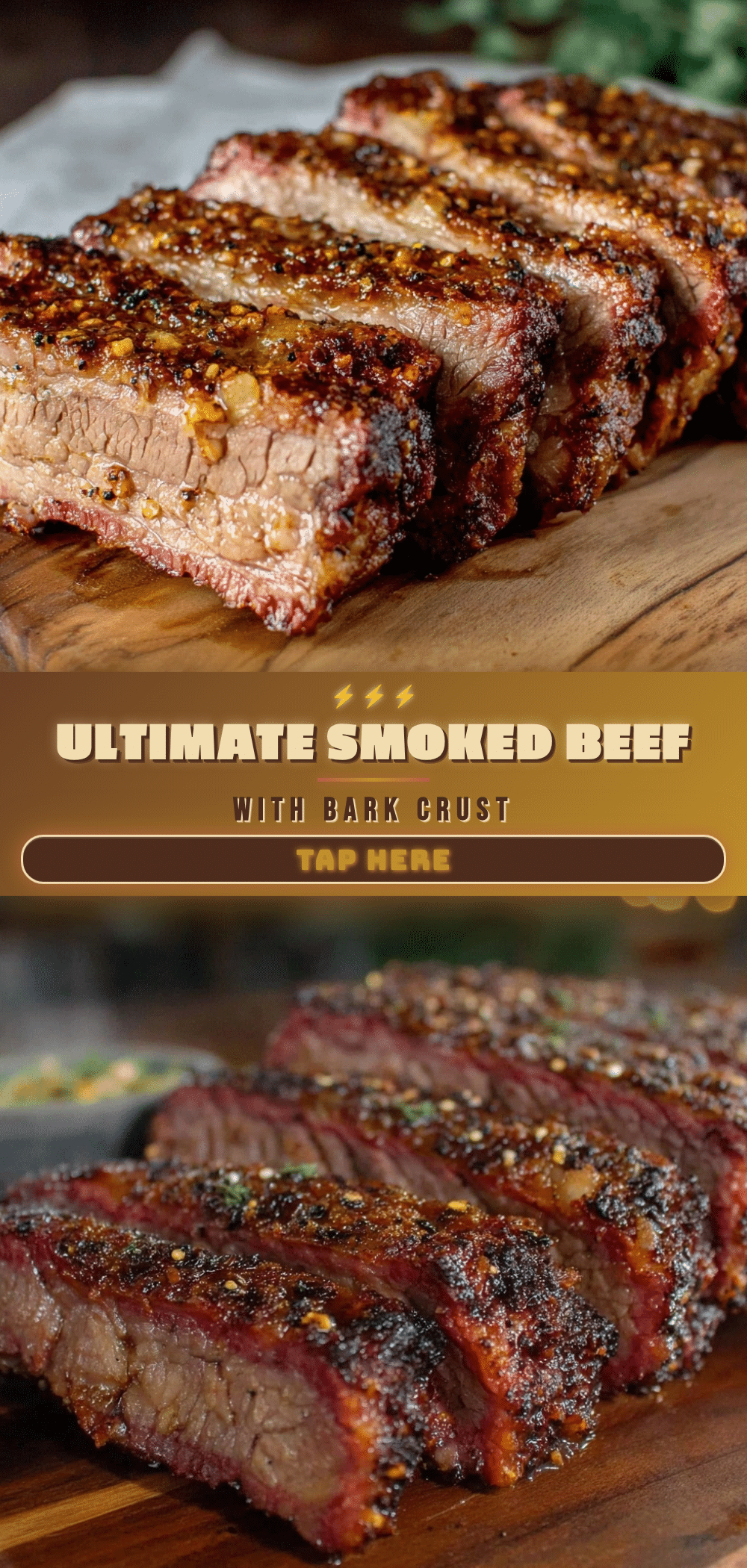
Best Smoked Beef Brisket Recipe with Texas Dry Rub and Perfect Bark Crust

A straightforward smoked beef brisket recipe featuring a Texas dry rub and a perfect bark crust, delivering tender, juicy meat with authentic smoky flavor.
- Prep Time: 20 minutes
- Cook Time: 8 to 10 hours
- Total Time: 8 hours 20 minutes to 10 hours 20 minutes
- Yield: 8-10 servings 1x
- Category: Main Course
- Cuisine: Texan, American BBQ
Ingredients
- 5–6 pounds whole packer beef brisket (flat and point cuts), well-marbled
- 2 tablespoons paprika (smoked paprika optional)
- 1 tablespoon coarse kosher salt (Diamond Crystal preferred)
- 1 tablespoon freshly ground black pepper
- 1 tablespoon chili powder
- 2 teaspoons garlic powder
- 1 teaspoon onion powder
- 1 teaspoon cayenne pepper (adjust to heat preference)
- 1 teaspoon ground cumin
- 2 tablespoons yellow mustard
- Wood chips or chunks for smoking (post oak or hickory recommended)
Instructions
- Trim excess fat from the brisket, leaving about 1/4-inch fat cap; remove silver skin and hard chunks.
- Rub a thin layer of yellow mustard all over the brisket to act as a binder for the dry rub.
- Mix paprika, kosher salt, black pepper, chili powder, garlic powder, onion powder, cayenne, and cumin in a bowl.
- Generously coat the brisket on all sides with the Texas dry rub, patting it in for good adhesion.
- Preheat smoker to 225°F using charcoal and wood chunks; maintain thin blue smoke.
- Place brisket fat side up on the smoker grate or rack; insert a probe thermometer into the thickest part.
- Smoke brisket for 4-6 hours at 225°F, spritzing every hour with apple cider vinegar or water to keep moist.
- Optional: Around 160°F internal temp, wrap brisket in pink butcher paper to speed cooking and keep bark intact.
- Continue smoking until internal temperature reaches 203°F and probe slides in easily (2-4 more hours).
- Remove brisket from smoker; wrap in foil and towel, then rest for 1 hour to redistribute juices.
- Slice against the grain into 1/4-inch thick slices and serve.
Notes
Maintain steady low heat (225°F) for best bark and tenderness. Spritz brisket lightly every hour to keep moist without washing off bark. Wrapping in butcher paper is optional and helps speed cooking while preserving bark. Rest brisket for at least 1 hour before slicing to keep juices. Use fresh spices and grind black pepper just before use for maximum flavor.
Nutrition
- Serving Size: 3 ounces (85 grams)
- Calories: 230
- Sodium: 450
- Fat: 15
- Carbohydrates: 1
- Protein: 22
Keywords: smoked beef brisket, Texas dry rub, bark crust, BBQ, smoked meat, brisket recipe, Texas BBQ, smoked brisket