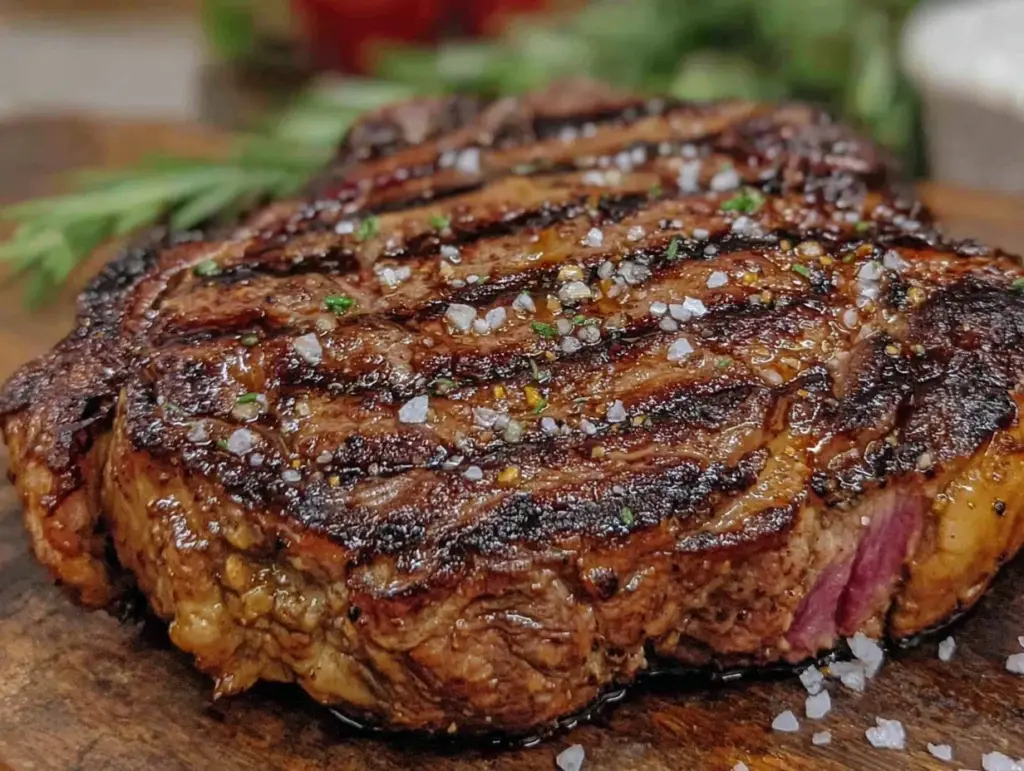
There was this one evening when the power flickered right as I was about to sear my ribeye steak the usual way. Honestly, I was annoyed—who wants to start dinner over? But instead of tossing the idea, I decided to finish the steak slowly in the oven first, then do a quick sear at the end once the power was back. I wasn’t expecting much, just trying to salvage dinner. The result? The juiciest, most tender ribeye I’d ever cooked at home. It was like the steak had soaked in all its own rich flavors, and the sear sealed in that perfect crust without overcooking the inside. Since then, the perfect reverse-sear ribeye steak has become my go-to when I want restaurant-quality results without the stress.
That night stuck with me because it flipped my whole steak game upside down—what felt like a kitchen mishap turned into a breakthrough. Cooking the steak low and slow, then finishing with a hot sear, is honestly a game-changer. It’s not just about avoiding overcooked edges or dry spots; it’s about coaxing out deep, buttery flavors and that melt-in-your-mouth texture ribeye fans dream about.
So, if you’ve ever been hesitant about cooking ribeye at home or worried about getting it just right, this reverse-sear method might quietly become your favorite. It’s hands-off enough for busy nights but delivers that juicy, tender payoff you want every time. No fuss, no guesswork—just steak done right, with a crust that snaps and an inside that stays perfectly pink.
Why You’ll Love This Recipe
- Quick & Easy: The reverse-sear ribeye steak comes together in about 45 minutes, perfect for a satisfying dinner that’s not all prep work.
- Simple Ingredients: You just need a few staples—quality ribeye, salt, pepper, and a bit of oil for searing. No hidden sauces or complicated marinades.
- Perfect for Special Dinners: Whether it’s a weeknight treat or a casual weekend cookout, this method impresses without the stress.
- Crowd-Pleaser: Everyone loves a juicy ribeye, and this technique helps avoid that dreaded dry or unevenly cooked steak.
- Unbelievably Delicious: The slow, gentle heat locks in juices, while the quick sear adds a crisp, flavorful crust that’s just irresistible.
What sets this reverse-sear ribeye steak apart is the way it balances patience with precision. Instead of rushing the sear and risking a tough texture, you let the steak gently come up to temperature first. The sear is just the final flourish, locking in flavor and texture without overcooking. I’ve tried all sorts of searing methods, but this one hits the sweet spot every time.
Honestly, it’s the kind of recipe that makes you pause mid-bite and think, “Wow, I didn’t think I could cook steak this good at home.” It’s comfort food that feels fancy but is really approachable. You’ll find yourself making it again and again, whether you’re feeding just yourself or a crowd.
What Ingredients You Will Need
This recipe uses straightforward, quality ingredients to highlight the ribeye’s natural flavor and texture without fuss. Most of these should already be in your pantry or fridge, making it an easy pick for your next steak night.
- Ribeye steak: 1 thick-cut ribeye, about 1.5–2 inches thick (around 12–16 oz / 340–450 g). Look for well-marbled, fresh cuts—USDA Choice or Prime grades work great.
- Coarse kosher salt: For seasoning and helping to create that flavorful crust.
- Freshly ground black pepper: Adds a sharp, peppery bite.
- High smoke point oil: Such as grapeseed, avocado, or refined canola oil for searing (about 1 tbsp). Olive oil can burn too quickly.
- Unsalted butter: 1–2 tbsp, added at the end of searing for richness and flavor (optional but recommended).
- Garlic cloves: 2 lightly crushed, to infuse butter during the sear (optional).
- Fresh herbs: A few sprigs of thyme or rosemary, to add aroma during the sear (optional).
If you want to switch things up, feel free to swap the ribeye for a similarly thick sirloin or strip steak, though ribeye’s marbling gives the best juicy texture. For oil, I prefer grapeseed oil from Chosen Foods for its neutral flavor and high smoke point. When selecting butter, European-style butter adds a lovely creaminess.
Equipment Needed
- Oven-safe wire rack and baking sheet: The wire rack allows air circulation around the steak, which helps cook it evenly. If you don’t have a wire rack, a baking sheet alone works but keep an eye on the bottom.
- Cast iron skillet or heavy-bottomed pan: Essential for getting a great sear. A well-seasoned cast iron pan is my favorite because it holds heat evenly and creates a beautiful crust.
- Instant-read meat thermometer: A must-have to check internal temperature precisely (I rely on the ThermoPro TP03 for accuracy and speed).
- Tongs: For flipping the steak safely without piercing it.
- Kitchen timer: To keep track of cooking times, especially during the oven phase.
For budget-conscious cooks, a simple wire cooling rack on a rimmed baking sheet works fine, and you can use any sturdy skillet for searing. Just make sure your pan is hot enough before adding the steak to get that coveted crust. Keeping your thermometer handy prevents overcooking—a rookie mistake I made too often before investing in one!
Preparation Method
- Preheat your oven to 275°F (135°C). This low temperature is key to gently bringing your ribeye up to the perfect internal temp without drying it out. It usually takes about 20–30 minutes.
- Pat the ribeye dry with paper towels. Moisture on the surface can steam the steak instead of searing it properly later. Season generously with coarse kosher salt and freshly ground black pepper on both sides.
- Place the ribeye on a wire rack set over a baking sheet. This setup lets air circulate, cooking the steak evenly on all sides. Slide it into the oven.
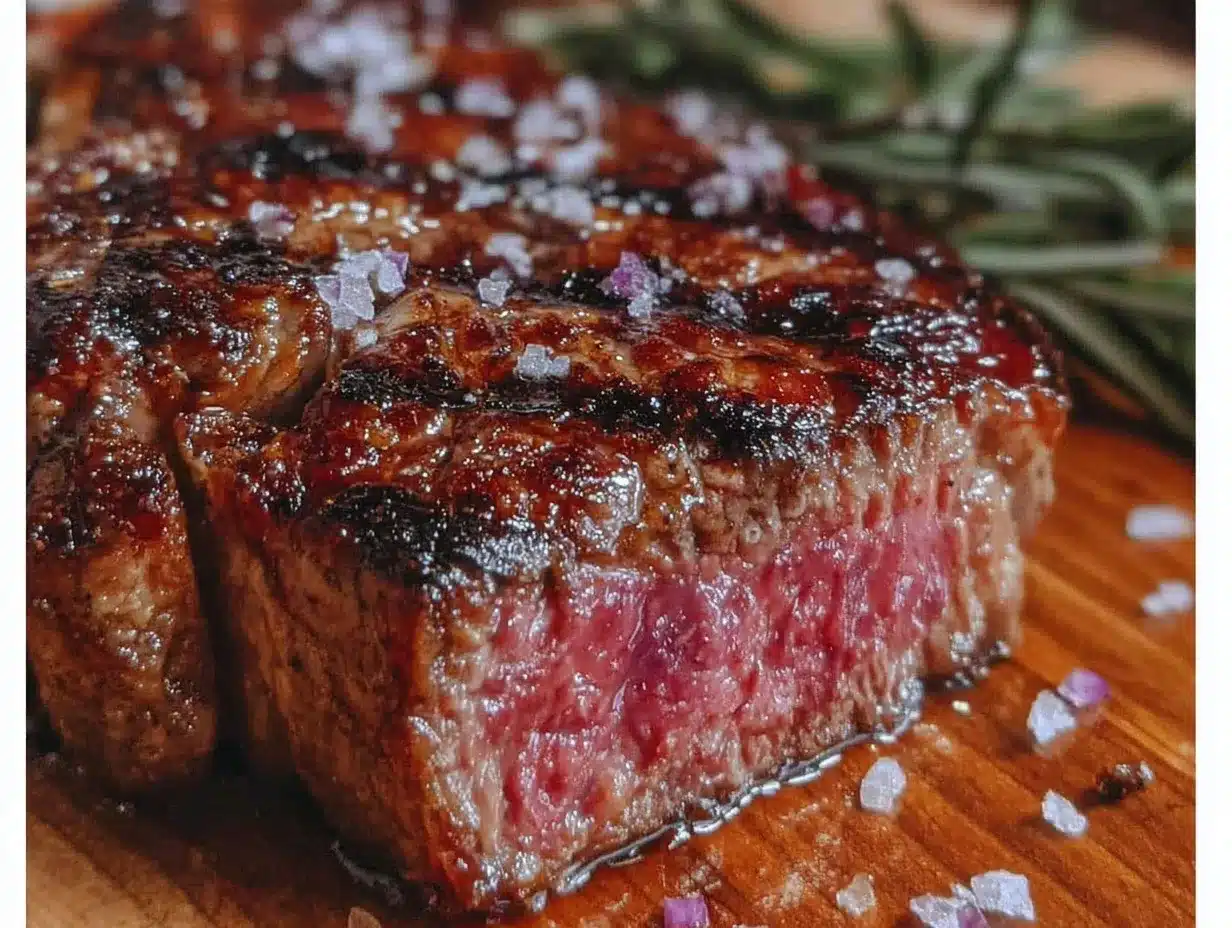
- Insert an instant-read thermometer probe into the thickest part of the steak. Roast until the internal temperature reaches 120°F (49°C) for medium-rare, about 20–30 minutes depending on thickness. Keep a close eye—over 130°F (54°C) starts edging toward medium.
- Once the steak hits target temp, remove it from the oven and let it rest for 5–10 minutes. Resting lets juices redistribute so they don’t all run out when you cut into it later.
- While the steak rests, heat your cast iron skillet over high heat. Add 1 tbsp of high smoke point oil and swirl to coat. The pan should be smoking hot but not burning the oil.
- Add the ribeye to the pan. Sear for about 1–2 minutes per side until a deep brown crust forms. Add butter, garlic, and herbs now if using, spooning the melted butter over the steak to boost flavor.
- Remove the steak from the pan and let it rest for another 5 minutes. This final rest helps the crust set and the juices settle for the perfect bite.
- Slice against the grain and serve immediately. Watch your guests’ eyes light up—you just nailed the perfect reverse-sear ribeye steak.
Pro tip: If you don’t have a thermometer, poke the steak with your finger—the fleshy part below your thumb feels like the firmness of a medium-rare steak. Still, a thermometer is the safest bet for consistent results.
Cooking Tips & Techniques
One of the biggest mistakes is rushing the sear first and then finishing the steak in the oven. That often leads to uneven cooking—burnt edges and raw centers. The reverse-sear method fixes that by cooking the steak gently first, then sealing the crust at the end.
Make sure your steak is at room temperature before starting. Cold meat straight from the fridge cooks unevenly and can dry out. About 30 minutes on the counter does the trick.
Don’t skimp on seasoning. Salt is your friend here, and coarse kosher salt adds texture while helping form that crust. Pepper adds aroma but can burn if added too early; seasoning just before searing is fine.
For searing, a very hot pan is essential. If your pan isn’t hot enough, the steak will steam rather than brown. I’ve learned this the hard way—patience is key when heating your skillet.
Use tongs, not forks, to flip the steak. Piercing it lets juices escape, which dries out your meat. Also, don’t overcrowd the pan if cooking multiple steaks; give each one space.
Finally, resting the steak after both oven cooking and searing is crucial. It keeps the meat juicy and tender, so don’t skip this step even if you’re hungry!
Variations & Adaptations
- Dietary Variation: For a dairy-free version, skip the butter during searing and use a splash of olive oil instead. It won’t have the same richness but still tastes great.
- Seasonal Flavor Boost: Add a compound butter mixed with fresh herbs and lemon zest to melt over the steak just before serving. It brightens the richness beautifully.
- Cooking Method Swap: If you don’t have an oven, you can finish the steak over indirect heat on a grill after the initial slow cook in a sous vide or slow cooker.
- Spice it Up: Rub the steak with smoked paprika, garlic powder, and cayenne before seasoning with salt and pepper for a smoky, spicy kick.
- Personal Twist: I once experimented by resting the steak wrapped loosely in foil with a sprig of rosemary inside. It added a subtle woodsy aroma that was surprisingly lovely.
Serving & Storage Suggestions
Serve your reverse-sear ribeye steak warm, sliced thinly against the grain for maximum tenderness. It pairs beautifully with roasted garlic mashed potatoes, grilled asparagus, or a fresh, peppery arugula salad.
A rich red wine like a Cabernet Sauvignon or Malbec complements the steak’s bold flavors perfectly. For a non-alcoholic option, try sparkling water with a squeeze of lime to cut through the richness.
Leftover steak keeps well in an airtight container in the fridge for up to 3 days. To reheat, warm gently in a low oven (250°F / 120°C) until just warmed through, then quickly sear in a hot pan to refresh the crust.
Flavors actually deepen after resting overnight, so don’t hesitate to enjoy the next day’s steak cold or lightly warmed in a sandwich with horseradish mayo and arugula.
Nutritional Information & Benefits
A 12-ounce (340 g) ribeye steak provides a hearty dose of protein, around 70 grams, making it great for muscle repair and satiety. It’s rich in iron and B vitamins, essential for energy and immune health.
While ribeye is higher in fat than leaner cuts, much of it is monounsaturated fat, which can support heart health in moderation. This recipe keeps added fats minimal—just a tablespoon of oil and optional butter for flavor.
For those watching carbs, this steak is naturally zero-carb and gluten-free, fitting nicely into low-carb and keto-friendly eating plans.
Be mindful if you have dairy allergies; omit butter or substitute with a dairy-free spread. Also, seasoning is straightforward, avoiding common allergens like soy or nuts.
Conclusion
The perfect reverse-sear ribeye steak isn’t just a recipe—it’s a way to make an impressive, juicy steak dinner without sweating the details. It’s forgiving, straightforward, and delivers rich, tender results that impress every time. I love this method because it fits into busy evenings yet feels special enough for guests or date nights.
Feel free to tweak the seasoning or sides to your taste and keep experimenting with different herbs or spice rubs. Cooking steak at home can be approachable and fun when you have a reliable method like this one.
Give it a try—you might find yourself making this reverse-sear ribeye steak more often than you expected. And hey, if you have your own spins or questions, I’d love to hear about them!
FAQs
What thickness of ribeye works best for reverse searing?
Steaks about 1.5 to 2 inches thick are ideal. Thinner cuts cook too quickly and can dry out during the oven phase.
Can I reverse-sear other cuts of steak?
Absolutely! Ribeye, strip, and filet mignon all work well. Adjust cooking times according to thickness and fat content.
How long should I rest the steak after searing?
A good 5 to 10 minutes lets juices redistribute, ensuring a tender, juicy bite.
Is a cast iron skillet necessary for searing?
While cast iron is best for heat retention and crust, a heavy stainless steel pan can also do the job well.
Can I use this method on a grill instead of the oven?
Yes! Use indirect heat on your grill to slowly bring the steak up to temperature, then finish with direct high heat for searing.
Pin This Recipe!
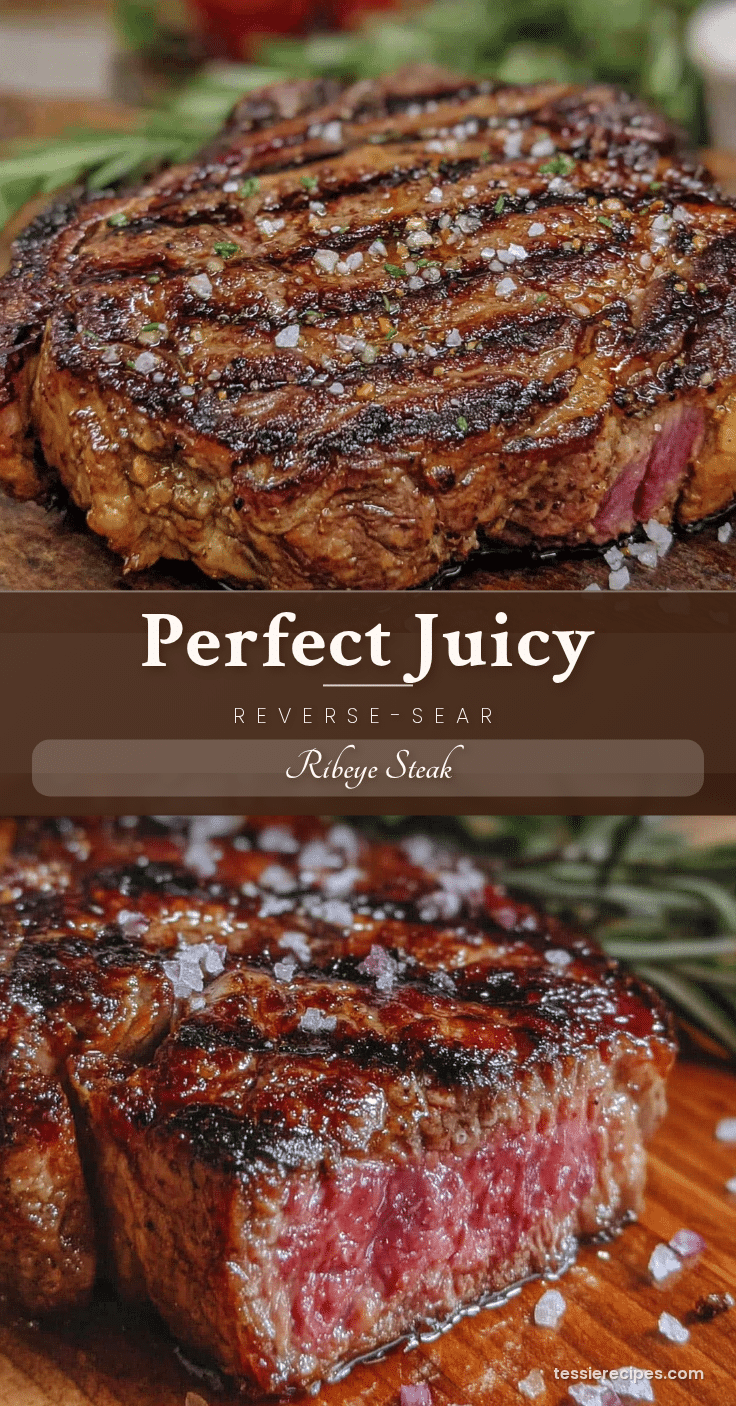
Perfect Reverse-Sear Ribeye Steak Recipe for Juicy Tender Results

This reverse-sear ribeye steak recipe delivers juicy, tender results with a perfect crust by cooking the steak low and slow in the oven first, then finishing with a quick sear.
- Prep Time: 10 minutes
- Cook Time: 30 minutes
- Total Time: 40 minutes
- Yield: 1 steak (serves 1-2) 1x
- Category: Main Course
- Cuisine: American
Ingredients
- 1 thick-cut ribeye steak, about 1.5–2 inches thick (12–16 oz / 340–450 g)
- Coarse kosher salt, for seasoning
- Freshly ground black pepper, for seasoning
- 1 tbsp high smoke point oil (grapeseed, avocado, or refined canola oil)
- 1–2 tbsp unsalted butter (optional but recommended)
- 2 garlic cloves, lightly crushed (optional)
- A few sprigs of fresh thyme or rosemary (optional)
Instructions
- Preheat your oven to 275°F (135°C).
- Pat the ribeye dry with paper towels. Season generously with coarse kosher salt and freshly ground black pepper on both sides.
- Place the ribeye on a wire rack set over a baking sheet and slide it into the oven.
- Insert an instant-read thermometer probe into the thickest part of the steak. Roast until the internal temperature reaches 120°F (49°C) for medium-rare, about 20–30 minutes depending on thickness.
- Remove the steak from the oven and let it rest for 5–10 minutes.
- While the steak rests, heat a cast iron skillet over high heat. Add 1 tbsp of high smoke point oil and swirl to coat.
- Add the ribeye to the pan and sear for about 1–2 minutes per side until a deep brown crust forms. Add butter, garlic, and herbs if using, spooning the melted butter over the steak.
- Remove the steak from the pan and let it rest for another 5 minutes.
- Slice against the grain and serve immediately.
Notes
Use a thermometer for best results to avoid overcooking. Let the steak rest after both oven cooking and searing to keep it juicy. For dairy-free, omit butter and use olive oil instead. Ensure the pan is very hot before searing to get a good crust. Do not pierce the steak with a fork to retain juices.
Nutrition
- Serving Size: One 12-16 oz ribeye
- Calories: 900
- Sodium: 600
- Fat: 70
- Saturated Fat: 28
- Protein: 70
Keywords: reverse sear, ribeye steak, steak recipe, juicy steak, tender steak, cast iron skillet, oven steak, easy steak recipe