“You brought spring to the table,” my friend said, fork halfway to her mouth. Honestly, I wasn’t expecting such a reaction when I tossed together this Fresh Spring Vegetable Primavera with Herb Vinaigrette. It all started with a basket of overlooked veggies sitting on my counter after a hectic week of takeout and missed dinners. I wasn’t exactly aiming for a culinary masterpiece—just something quick and light.
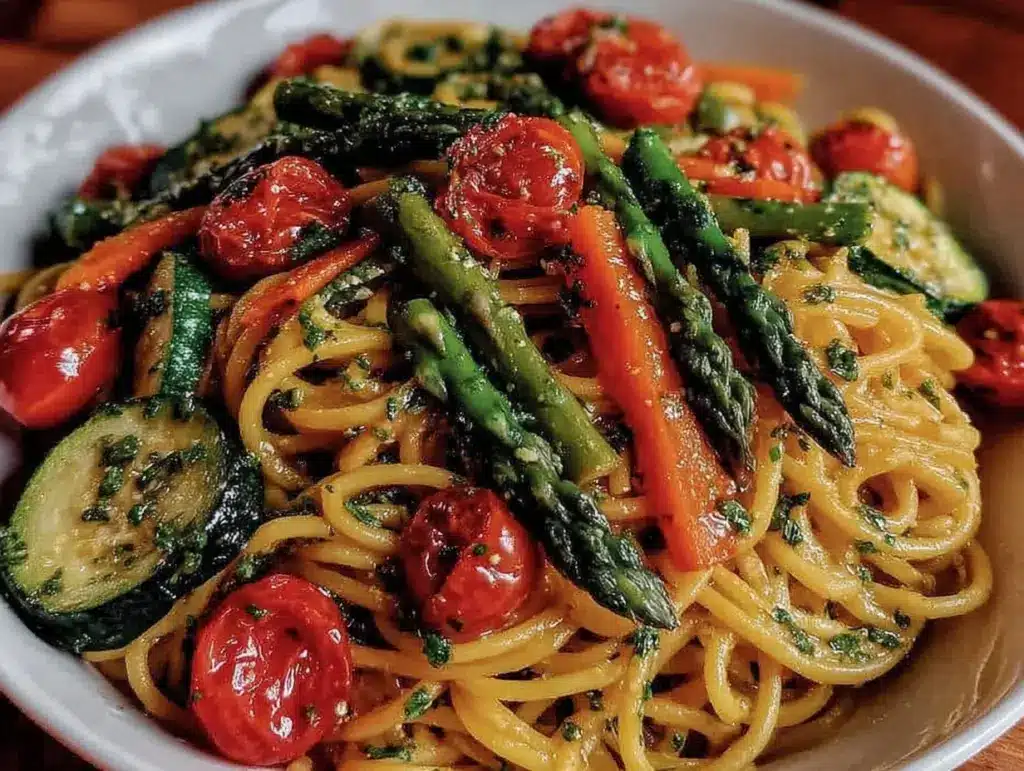
The bright snap of sugar snap peas, the tender crunch of asparagus, and those sweet cherry tomatoes catching the sunlight felt like a little rebellion against the winter gloom. I drizzled on a quick herb vinaigrette I whipped up without measuring—just a squeeze of lemon, some olive oil, chopped herbs from the garden, and a pinch of salt. And well, it worked.
It felt like a secret handshake with spring itself, that first real breath of fresh air on a plate. Since then, this primavera has found its way into my weekly rotation, a light meal that’s both satisfying and a little bit joyful. It’s not flashy, but it’s honest and fresh—something I keep coming back to when I want to feel grounded and nourished without fuss.
There’s a quiet confidence in this dish that’s hard to explain but easy to taste. It’s the kind of meal that makes you pause and appreciate the little things—like how good fresh herbs can taste when they’re just picked, or how a simple vinaigrette can brighten everything up. This recipe stuck because it’s practical, seasonal, and honestly, it feels like a small celebration of spring’s best flavors.
Why You’ll Love This Fresh Spring Vegetable Primavera Recipe
After trying this primavera more times than I can count, I’m convinced it hits a perfect balance of fresh, light, and flavorful that you just don’t see every day. I’ve tweaked the herb vinaigrette until it sings without overpowering those delicate veggies. Here’s what makes this recipe stand out:
- Quick & Easy: Ready in under 25 minutes, this dish is perfect for busy weeknights when you want something fresh but fast.
- Simple Ingredients: No need for specialty stores—everything comes from your local market or pantry staples.
- Perfect for Light Meals: Whether it’s a solo lunch or a casual dinner, this primavera feels satisfying without weighing you down.
- Crowd-Pleaser: It’s colorful and vibrant enough to impress at a spring brunch or potluck, and people always ask for the herb vinaigrette recipe.
- Unbelievably Delicious: The vinaigrette’s bright herbs and lemon zest marry perfectly with the natural sweetness of fresh vegetables.
This isn’t just any primavera—I’ve found the secret in balancing the freshness of spring vegetables with a vinaigrette that doesn’t drown them but lifts them. It’s different because it’s not heavy or creamy; it feels like a breath of fresh air on your plate. I’ve even served this alongside richer dishes like cream cheese stuffed mushrooms with bacon, where it cuts through the richness beautifully.
Eating this feels like a little reset, a reminder that sometimes the simplest flavors can bring the most comfort. It’s a recipe that, honestly, makes me slow down and appreciate the season. And that’s why it’s become a staple in my kitchen.
What Ingredients You Will Need
This recipe uses simple, wholesome ingredients that showcase the best of spring’s bounty without any fuss. Most are pantry staples or easy-to-find fresh produce, making it a breeze to prepare whenever you crave something light and fresh.
- Asparagus: 1 bunch, trimmed and cut into 2-inch pieces (look for firm, bright green stalks)
- Sugar Snap Peas: 1 cup, trimmed (adds a sweet crunch)
- Cherry Tomatoes: 1 cup, halved (use ripe, juicy ones for best flavor)
- Baby Zucchini or Summer Squash: 1 cup, sliced thin
- Fresh Herbs: 2 tablespoons each chopped parsley, basil, and chives (freshness is key—garden-grown or farmer’s market is best)
- Extra Virgin Olive Oil: 1/4 cup (I prefer California-grown brands for a fruity note)
- Fresh Lemon Juice: From 1 large lemon (brightens the vinaigrette)
- Garlic: 1 small clove, minced (adds a subtle punch)
- Dijon Mustard: 1 teaspoon (helps emulsify the vinaigrette)
- Salt & Freshly Ground Black Pepper: To taste
- Parmesan Cheese (optional): 1/4 cup grated, for serving (adds a nutty richness)
If you want to switch things up, you can swap baby zucchini for sliced yellow squash or even use fresh green beans instead of snap peas. For a gluten-free twist, pair this primavera with gluten-free pasta or serve over quinoa. And for dairy-free, just skip the Parmesan or use a sprinkle of nutritional yeast.
Equipment Needed
- Large skillet or sauté pan — a heavy-bottomed pan works best to evenly cook the vegetables without burning.
- Sharp knife and cutting board — for prepping the fresh vegetables cleanly and safely.
- Mixing bowl — to whisk and toss the herb vinaigrette.
- Citrus juicer or reamer (optional) — makes squeezing lemon juice easier and less messy.
- Tongs or wooden spoon — for stirring and tossing the vegetables gently.
If you don’t have a skillet, a sauté pan or even a wok can work well. I’ve used a budget-friendly non-stick pan for this recipe with good results—just keep an eye on the heat so nothing chars.
Maintaining your knife’s sharpness helps a lot here, especially when slicing delicate herbs and veggies. I learned the hard way that a dull knife can turn simple prep into a struggle.
Preparation Method
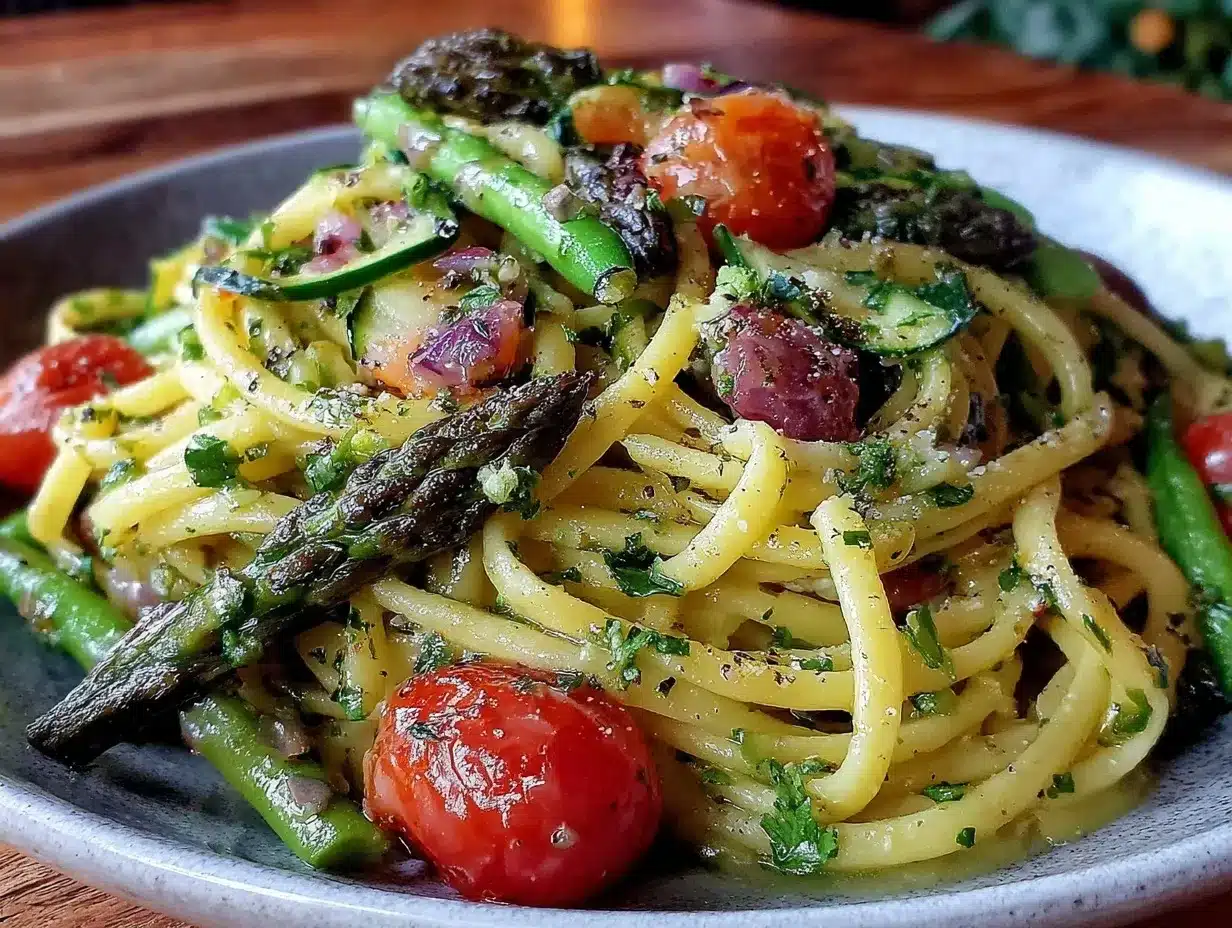
- Prep the vegetables: Rinse and dry all veggies thoroughly. Trim the asparagus ends and cut stalks into 2-inch pieces. Trim sugar snap peas. Slice baby zucchini and halve cherry tomatoes. Chop fresh herbs finely. (Prep time: 10 minutes)
- Make the herb vinaigrette: In a mixing bowl, whisk together the olive oil, fresh lemon juice, minced garlic, Dijon mustard, chopped herbs, salt, and pepper until emulsified and slightly thickened. Taste and adjust seasoning. (Prep time: 5 minutes)
- Sauté the vegetables: Heat the skillet over medium heat. Add a splash of olive oil. Add asparagus and sugar snap peas first, cooking for 3-4 minutes until they start to soften but still have a snap. Add zucchini slices and cook an additional 2 minutes. Lastly, toss in the cherry tomatoes just to warm through—avoid overcooking to keep their juiciness. (Cooking time: 8-10 minutes)
- Toss with vinaigrette: Remove skillet from heat and transfer vegetables to a serving bowl. Pour the herb vinaigrette over the warm veggies and toss gently to coat. The heat will help flavors meld but won’t wilt the herbs.
- Serve: Sprinkle grated Parmesan cheese on top if using. Serve warm or at room temperature. (Optional: Add cooked pasta for a heartier meal.)
Pro tip: Watch the veggies closely while sautéing—overcooked primavera loses its charm fast. The asparagus should still have a little bite, and tomatoes just need to soften slightly without turning mushy.
Sometimes, I set out all the ingredients before starting to cook to keep everything moving smoothly in the kitchen. This little habit saved me from scrambling last minute when I first made this dish.
Cooking Tips & Techniques for the Best Primavera
Getting this primavera just right is about respecting the freshness of each vegetable and balancing flavors carefully. Here are some things I’ve learned:
- Don’t overcook the vegetables: The goal is tender-crisp, not mushy. Cooking in stages helps—start with the firmer veggies, add the delicate ones later.
- Use fresh herbs generously: They brighten the whole dish more than you’d expect. I’ve found that basil and parsley together create a lovely fragrant base.
- Make the vinaigrette last: Prepare it just before tossing so it tastes vibrant and fresh. The lemon juice can lose its zing if made too early.
- Season carefully: Salt brings out sweetness in the vegetables, but too much can dull the flavors. Taste as you go.
- Multitasking tip: While veggies cook, whisk the vinaigrette and prep any extras like Parmesan or pasta to keep things moving.
One time, I accidentally added the cherry tomatoes too early, and they turned to mush. Lesson learned: timing is everything. Also, if you’re using a non-stick pan, avoid high heat to prevent a plastic-y smell.
Variations & Adaptations
This recipe is quite flexible, making it easy to adapt for different tastes or dietary needs:
- Protein boost: Add grilled chicken, shrimp, or even crispy bacon crumbles for a heartier dish. I often pair it with my spicy avocado chicken wrap for a full meal vibe.
- Grain bowl style: Serve the primavera over cooked quinoa, farro, or brown rice for a nutritious bowl.
- Seasonal swaps: In late spring or early summer, swap asparagus for fresh green beans or add peas straight from the pod.
- Dairy-free: Skip the Parmesan or use a sprinkle of nutritional yeast for a cheesy flavor without dairy.
- Make it a pasta primavera: Toss cooked penne or linguine in the warm veggies and vinaigrette for a classic twist.
I once made this with roasted baby carrots instead of zucchini—it added a lovely sweetness and a bit of color contrast. Feel free to get creative with what’s fresh or what you have on hand.
Serving & Storage Suggestions
This Fresh Spring Vegetable Primavera shines best served warm or at room temperature. It pairs beautifully with crusty bread or alongside a light protein. For a weekend brunch, try serving it with scrambled eggs or a simple frittata.
If you want to prep ahead, store the vinaigrette separately and toss just before serving to keep the veggies crisp. Leftovers keep well in an airtight container in the fridge for up to 2 days.
Reheat gently in a skillet over low heat or enjoy cold in a salad-style lunch. The flavors develop nicely after a few hours, though the fresh herbs are most vibrant when freshly mixed.
This primavera also complements richer dishes wonderfully—think alongside a creamy soup like my creamy roasted butternut squash soup for a balanced meal.
Nutritional Information & Benefits
This recipe is naturally low in calories but packed with fiber, vitamins, and antioxidants from fresh vegetables and herbs. Asparagus and snap peas provide vitamin C and K, while tomatoes add lycopene, a powerful antioxidant.
The olive oil in the vinaigrette offers healthy monounsaturated fats, which support heart health. With minimal added sugars or processed ingredients, this primavera fits well into gluten-free, vegetarian, and low-carb diets if served without pasta.
One serving (about 1 ½ cups) provides roughly 150-180 calories, depending on additions like Parmesan or grains. It’s a light but satisfying choice that feels nourishing rather than heavy.
Conclusion
This Fresh Spring Vegetable Primavera with Herb Vinaigrette has quietly become one of my go-to ways to celebrate the season’s best produce. It’s simple, fresh, and flexible enough to suit any meal occasion. Whether you’re looking for a light lunch, a colorful side, or a base for a heartier dish, this recipe delivers without fuss.
I love how it reminds me to slow down and savor the small joys of fresh herbs and crisp veggies. Plus, it’s easy to customize—so feel free to make it your own. If you try it, I’d love to hear how you twist it or what your favorite spring veggies are!
Thanks for reading and happy cooking!
Frequently Asked Questions
Can I use frozen vegetables for this primavera?
Fresh is definitely best here to keep that crisp texture and bright flavor. However, if you use frozen, thaw and drain them well, then sauté briefly to avoid sogginess.
How long can I store leftovers?
Store leftovers in an airtight container in the fridge for up to 2 days. Keep the herb vinaigrette separate if possible and toss before serving.
Can this recipe be made vegan?
Yes! Simply skip the Parmesan or replace it with a vegan cheese or nutritional yeast for a cheesy flavor.
What’s the best way to reheat the primavera?
Reheat gently in a skillet over low heat just until warmed through. Avoid microwave reheating as it can make veggies mushy.
Can I add pasta to make it a main dish?
Absolutely! Toss the vegetables and vinaigrette with cooked pasta like penne or linguine for a classic primavera pasta meal.
Pin This Recipe!
Fresh Spring Vegetable Primavera Recipe with Easy Herb Vinaigrette for Perfect Light Meals

A light and fresh primavera featuring spring vegetables tossed in a bright herb vinaigrette, perfect for quick meals that celebrate seasonal flavors.
- Prep Time: 15 minutes
- Cook Time: 10 minutes
- Total Time: 25 minutes
- Yield: 4 servings 1x
- Category: Main Course
- Cuisine: American
Ingredients
- 1 bunch asparagus, trimmed and cut into 2-inch pieces
- 1 cup sugar snap peas, trimmed
- 1 cup cherry tomatoes, halved
- 1 cup baby zucchini or summer squash, sliced thin
- 2 tablespoons chopped fresh parsley
- 2 tablespoons chopped fresh basil
- 2 tablespoons chopped fresh chives
- 1/4 cup extra virgin olive oil
- Juice of 1 large lemon
- 1 small clove garlic, minced
- 1 teaspoon Dijon mustard
- Salt and freshly ground black pepper, to taste
- 1/4 cup grated Parmesan cheese (optional)
Instructions
- Rinse and dry all vegetables thoroughly. Trim asparagus ends and cut stalks into 2-inch pieces. Trim sugar snap peas. Slice baby zucchini and halve cherry tomatoes. Chop fresh herbs finely.
- In a mixing bowl, whisk together olive oil, fresh lemon juice, minced garlic, Dijon mustard, chopped herbs, salt, and pepper until emulsified and slightly thickened. Taste and adjust seasoning.
- Heat a large skillet over medium heat and add a splash of olive oil. Add asparagus and sugar snap peas and cook for 3-4 minutes until they start to soften but remain crisp.
- Add zucchini slices and cook for an additional 2 minutes.
- Add cherry tomatoes and cook just to warm through, avoiding overcooking to keep their juiciness.
- Remove skillet from heat and transfer vegetables to a serving bowl. Pour herb vinaigrette over warm vegetables and toss gently to coat.
- Sprinkle grated Parmesan cheese on top if using. Serve warm or at room temperature. Optionally, add cooked pasta for a heartier meal.
Notes
Do not overcook the vegetables; keep them tender-crisp. Prepare the vinaigrette just before tossing to maintain freshness. Use fresh herbs generously for best flavor. Store vinaigrette separately if prepping ahead. Reheat gently in a skillet over low heat to avoid mushy vegetables.
Nutrition
- Serving Size: About 1 ½ cups per s
- Calories: 165
- Sugar: 5
- Sodium: 150
- Fat: 14
- Saturated Fat: 2
- Carbohydrates: 9
- Fiber: 3
- Protein: 4
Keywords: spring vegetable primavera, herb vinaigrette, light meals, fresh vegetables, quick recipe, healthy, vegetarian, gluten-free