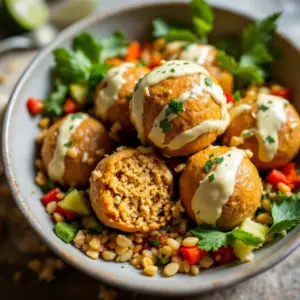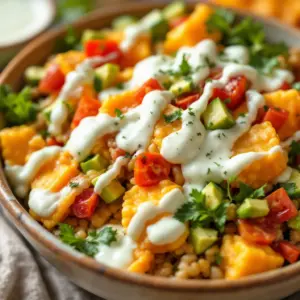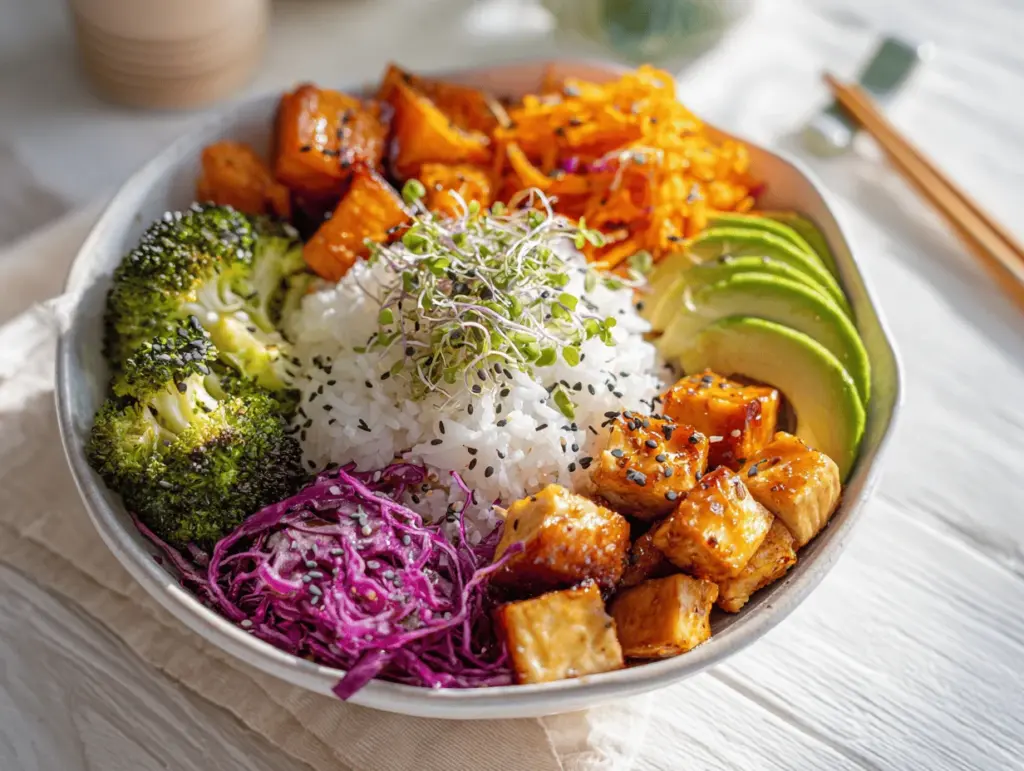
The pop of color when you open a bento box packed with a Buddha bowl—it’s honestly like discovering a tiny edible masterpiece. I still remember the first time I built my own bento box Buddha bowl: sweet mango slices tucked beside roasted chickpeas, crunchy pickled carrots, and a swirl of creamy tahini dressing. It looked almost too pretty to eat (almost!). The whole experience felt a bit like playtime for grown-ups, arranging ingredients so every bite held something new.
I started creating Buddha bowls to break up my weekday lunch monotony. Let’s face it, sandwiches get boring fast. The bento box twist came when my daughter wanted “rainbow lunch” for school, and the result was so much fun I ended up packing one for myself, too. This recipe isn’t just plant-based—it’s packed with texture, flavor, and visual variety, making healthy eating feel fresh and exciting. Whether you’re a veggie lover or just trying to squeeze in more greens, this bento box Buddha bowl recipe is a game changer for busy families, meal preppers, or anyone chasing a vibrant, wholesome lunch.
After testing this recipe at least a dozen times (with more tweaks than I can count), I can say it’s a reliable go-to for plant-based eating. The steps are simple, and you’ll get that feeling of accomplishment seeing a rainbow of ingredients come together. If you’re worried about bland vegan meals, trust me—this bowl delivers bold flavor and serious satisfaction. Grab your favorite bento box and let’s get started!
Why You’ll Love This Bento Box Buddha Bowl Recipe
Honestly, this bento box Buddha bowl recipe has become my secret weapon for quick, nourishing meals. Here’s why I keep coming back to it, and why you might, too:
- Quick & Easy: Comes together in under 30 minutes, perfect for busy weeknights, work lunches, or school meals.
- Simple Ingredients: No specialty store runs required. You probably have most of these in your kitchen right now—think grains, beans, fresh veggies, and a few pantry staples for the dressing.
- Perfect for Any Occasion: Seriously versatile—pack it for a picnic, serve at brunch, or whip up a batch for meal prep. It’s a hit at potlucks, too!
- Crowd-Pleaser: Kids and adults devour these bowls. The colorful presentation makes veggies irresistible, and everyone loves customizing their own sections.
- Unbelievably Delicious: The contrast of crisp, roasted, and raw veggies, creamy dressing, and hearty grains is pure comfort food—but light enough for every day.
What sets this bento box Buddha bowl recipe apart? I blend the dressing until it’s ultra-smooth, and I roast chickpeas for extra crunch. I’ve tried other versions that felt soggy or bland, but this method keeps the textures distinct and flavors bold. Plus, you can swap components depending on what you have on hand—making it the most forgiving and flexible lunch you’ll ever pack.
This isn’t just another plant-based bowl—it’s the kind of meal that brings a smile with the first bite. It’s comfort food reimagined for busy lives, without sacrificing flavor or nutrition. When you need a lunch that feels special (even on a random Tuesday), this bento box Buddha bowl recipe is the move. Trust me, your future self will thank you!
What Ingredients You Will Need
This recipe uses simple, wholesome ingredients to deliver bold flavor and satisfying texture—no fuss, no fancy shopping trips. Everything is easy to find, and substitutions are a breeze! Here’s what you’ll need to build your perfect bento box Buddha bowl:
- For the Bowl Base:
- Brown rice (1 cup cooked, 200g) or quinoa (great for extra protein)
- Mixed greens—baby spinach, arugula, or romaine (about 1 cup, 30g)
- Protein & Crunch:
- Canned chickpeas (1 cup, 165g), drained and rinsed (roast for crunch!)
- Firm tofu (1/2 block, 125g), cubed (press for best texture)
- Veggie Variety:
- Red bell pepper (1/2, thinly sliced)
- Carrot (1 medium, julienned or ribboned)
- Cucumber (1/2, sliced)
- Edamame (1/2 cup shelled, 75g)
- Radishes (2-3, thinly sliced)
- Fruit & Sweetness:
- Mango (1/2, peeled and sliced) or apple (nice crunch!)
- Optional: pomegranate seeds (2 tbsp, for color and tartness)
- Flavor Boosters:
- Roasted pumpkin seeds (1 tbsp, for crunch)
- Pickled ginger (1 tbsp, for zing)
- Fresh cilantro or basil (1-2 tbsp, chopped)
- Dressing:
- Tahini (2 tbsp, 30g)
- Lemon juice (2 tbsp, 30ml)
- Maple syrup (1 tbsp, 15ml)
- Water (2-3 tbsp, adjust to thin)
- Salt and pepper, to taste
- Optional: Sriracha or chili flakes for heat
Ingredient Tips: I love using small Persian cucumbers—they’re extra crisp. For tofu, go for firm or extra-firm, and press it for at least 10 minutes (makes a huge difference). If you’re short on time, grab pre-cooked grains or microwaveable rice packs. Pickled ginger and roasted seeds add that “wow” factor, but you can skip them for a more basic bowl. For gluten-free, stick with rice or quinoa and check dressing ingredients.
Substitutions: Swap tofu for tempeh, chickpeas for black beans, or mango for strawberries. Use almond butter instead of tahini if you need a nutty twist. This bowl is super flexible—just keep the colors and textures varied!
Equipment Needed
- Bento Box or Lunch Container: I use a classic bento box with 2-3 compartments. Any sturdy lunchbox works, even mason jars in a pinch.
- Chef’s Knife: Essential for slicing veggies—choose one that feels comfortable in your hand.
- Cutting Board: A large, non-slip surface makes prep safer and faster.
- Medium Bowl: For mixing dressing and tossing ingredients.
- Small Baking Sheet: If roasting chickpeas or tofu—line with parchment for easy cleanup.
- Measuring Cups & Spoons: For precise amounts, though I sometimes eyeball the greens!
- Salad Spinner (optional): Great for washing greens, but a clean kitchen towel works, too.
If you don’t have a bento box, any divided container will do. I’ve packed these bowls in everything from old Tupperware to glass meal prep containers—no fancy gear needed! For baking sheets, I recommend a rimmed style to keep chickpeas from escaping. Keep your knives sharp for quick, safe slicing. And if you’re on a budget, thrift stores are gold mines for lunch containers and kitchen tools.
Preparation Method
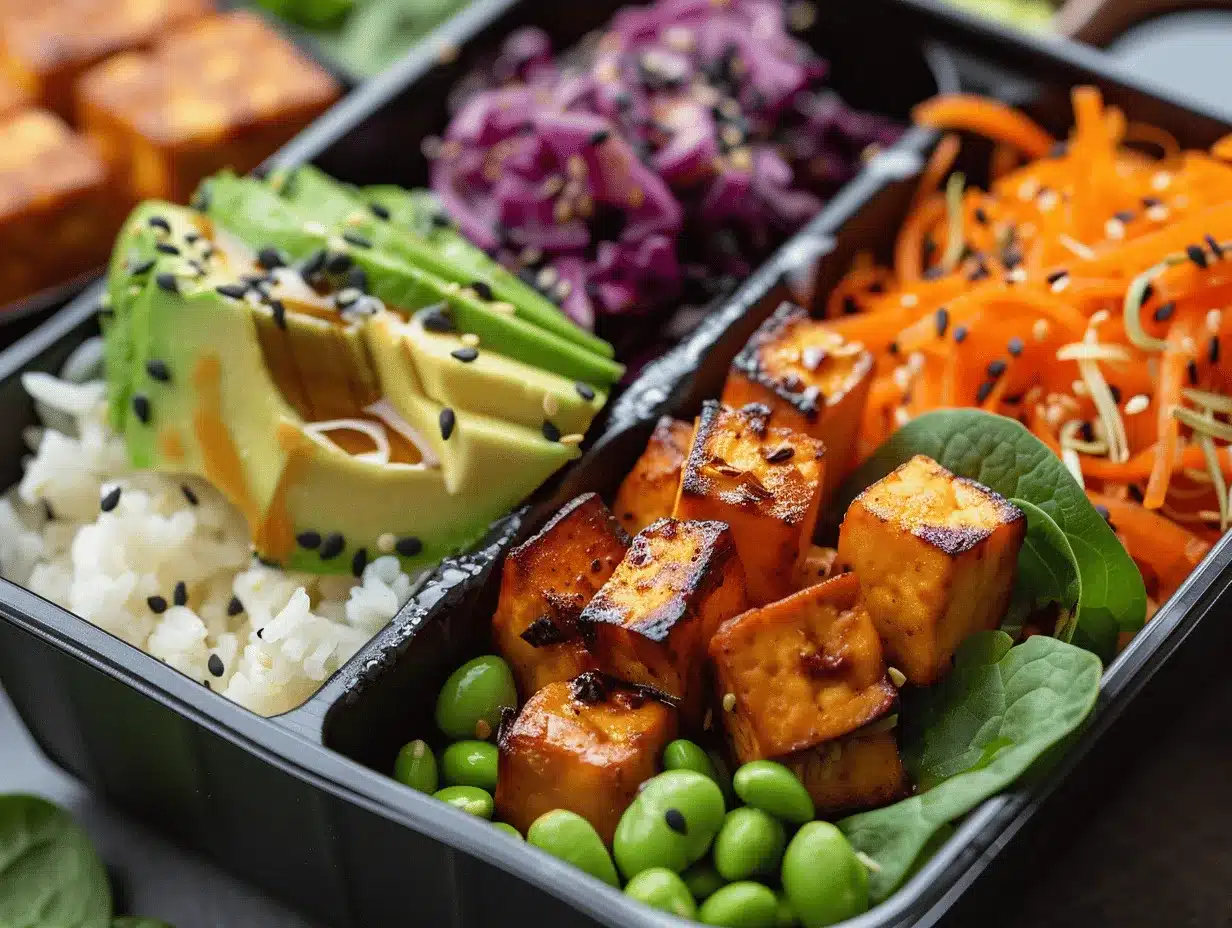
- Prep Your Base: Cook the brown rice or quinoa following package instructions—usually about 15-20 minutes. For 1 cup cooked (200g), use about 1/2 cup dry grains (100g) and 1 cup water (250ml). Fluff with a fork and let cool slightly. If you’re using pre-cooked grains, just warm them up or use cold.
- Roast Chickpeas and Tofu: Preheat oven to 400°F (200°C). Toss chickpeas (1 cup, 165g) and tofu cubes (125g) with 1 tsp olive oil, a pinch of salt, and pepper. Spread on a lined baking sheet. Roast for 20 minutes, shaking halfway. Chickpeas should be crisp, tofu lightly golden. (Tip: If your tofu sticks, flip gently with a spatula.)
- Prepare Vegetables and Fruit: While chickpeas/tofu roast, wash and slice all veggies—red bell pepper, carrot, cucumber, radishes. Julienne carrot with a peeler for pretty ribbons. Slice mango (or apple) into thin strips. Shell edamame if needed. Arrange everything in small piles for easy assembly.
- Mix the Dressing: Whisk together tahini (2 tbsp, 30g), lemon juice (2 tbsp, 30ml), maple syrup (15ml), and water (start with 2 tbsp, add more for desired consistency). Season to taste with salt, pepper, and optional sriracha. Dressing should be creamy but pourable—think “drizzle-able.”
- Assemble Your Bento Box Buddha Bowl: Start with greens and grains in the largest compartment. Arrange roasted chickpeas, tofu, and veggies in separate sections or colorful piles. Tuck fruit slices and sprinkle on seeds, pickled ginger, and herbs. Drizzle with dressing just before serving, or pack it in a small container on the side for lunches.
Troubleshooting: If dressing thickens too much, add water a teaspoon at a time. Mushy tofu? Try pressing it longer or dusting with a bit of cornstarch before roasting for extra crunch. If veggies look limp, dunk them briefly in ice water.
Personal Tips: Prep all veggies at once, then assemble multiple bowls for the week—makes lunch a breeze. For school lunches, keep dressing separate to avoid soggy greens. Don’t stress about perfect arrangement—the more colors, the better it looks!
Cooking Tips & Techniques
I’ve made plenty of Buddha bowls that ended up kind of sad—too much mush, bland flavors, or a soggy mess. After lots of trial and error, here’s what I’ve learned to make this bento box Buddha bowl recipe shine:
- Roasting for Texture: Roasting chickpeas and tofu isn’t just about flavor—it keeps the bowl interesting. Toss with your favorite spices (cumin, paprika, garlic powder) for extra kick.
- Layering Ingredients: Always start with grains and greens as your base, then layer proteins, veggies, and fruit. This keeps things organized and prevents soggy bits.
- Keep Wet Ingredients Separate: Pack dressing and juicy fruits (like mango) in tiny containers or silicone cups until ready to eat. No one likes wilted greens.
- Prep in Advance: Chop veggies, cook grains, and roast proteins ahead of time. Store separately; assemble fresh for best crunch.
- Season, Taste, Adjust: Don’t be afraid to tweak the dressing or sprinkle extra salt on roasted chickpeas. Buddha bowls are all about balance—sweet, salty, tangy, and spicy.
- Embrace Imperfection: Honestly, the best bowls are a little messy! Don’t worry about perfect symmetry or arrangement.
Multitasking: While grains cook, roast chickpeas and tofu, then prep veggies. You’ll save time and keep the kitchen flow smooth. If your oven’s busy, use the stovetop for tofu pan-searing—just watch for splattering!
Consistency comes from prepping ingredients in bulk and mixing dressing in a jar for easy shaking. I’ve skipped the roasting step before (in a rush), but trust me, the extra crunch is worth it. If you ever end up with bland bowls, add a splash of citrus or a sprinkle of seeds—little tweaks make a big difference!
Variations & Adaptations
This bento box Buddha bowl recipe is endlessly customizable. Here are a few favorite ways to switch things up:
- Gluten-Free: Choose brown rice, quinoa, or cauliflower rice as your base. Double-check dressing ingredients for hidden gluten (some tahini brands add flour!).
- Low-Carb/Keto: Swap grains for spiralized zucchini, shredded cabbage, or cauliflower rice. Use avocado and nuts for healthy fat.
- Seasonal Flavors: In fall, roast sweet potatoes or squash instead of chickpeas. In summer, add fresh berries or grilled corn.
- Allergen Substitutions: If you can’t have sesame, use sunflower seed butter in the dressing. For soy-free, skip tofu and use roasted edamame or extra beans.
- Personal Twist: I sometimes toss in kimchi or quick-pickled jalapeños for a spicy punch—so good with creamy dressing!
Don’t be afraid to mix up the veggies—try shredded beets, avocado, or roasted broccoli. For extra protein, add lentils or tempeh. If you’re packing for picky eaters, keep ingredients separate so everyone customizes their own bowl. The best part? You can turn leftovers into Buddha bowls—just add fresh greens and a drizzle of dressing!
Serving & Storage Suggestions
Serve your bento box Buddha bowl chilled or at room temperature for maximum crunch and freshness. I like to present it open-faced so all the colors pop—makes it irresistible! Pair with chilled herbal tea, sparkling water, or even a light miso soup for a satisfying meal.
Storage: Assemble bowls in advance but keep dressing and wet ingredients separate. Store in airtight containers in the fridge for up to 3 days. Veggies stay crisp if you layer greens on top and grains on bottom.
Reheating: If you prefer warm grains or protein, microwave rice or tofu for 30-60 seconds before serving. Roasted chickpeas are best fresh, but you can refresh them in a hot oven for a few minutes.
Flavors develop nicely over time, especially with citrusy dressing—the veggies pick up a gentle tang and the grains soak up extra flavor. For best results, add herbs and seeds just before eating. If packing for lunch, use a leak-proof bento box and tuck a tiny ice pack alongside.
Nutritional Information & Benefits
This bento box Buddha bowl recipe is packed with plant-powered nutrition. Here’s a rough breakdown per serving (1 bowl):
- Calories: ~450
- Protein: 16g
- Carbs: 48g
- Fat: 16g
- Fiber: 11g
Health Benefits: Chickpeas and tofu provide complete protein, while greens and veggies offer vitamins A, C, and K. Mango adds antioxidants. Seeds are rich in magnesium and healthy fats. The dressing is a source of calcium (thanks, tahini!).
This bowl is naturally gluten-free (if you stick with rice or quinoa), vegan, and packed with fiber. Allergens to watch for are sesame (in tahini) and soy (in tofu). I love this recipe because it keeps me full for hours—no sugar crash, just steady energy. Honestly, eating more colorful bowls is the easiest way I’ve found to feel good and stay on track with healthy habits!
Conclusion
If you’re craving something fresh, satisfying, and just plain fun to eat, this bento box Buddha bowl recipe is the answer. It’s easy to adapt, gorgeous to look at, and loaded with flavor—exactly what plant-based meals should be. Whether you’re a meal prep pro or a lunchtime newbie, you’ll love the balance of crunch, creaminess, and color.
Don’t be shy about swapping ingredients or tweaking the dressing—make it your own! I keep coming back to this recipe for its reliability and wow factor. There’s something special about opening a bento box to a rainbow lunch, and I hope you get to experience that, too.
Give this Buddha bowl a try and let me know how you customize yours! Drop a comment if you have questions, share your favorite combos, or tag me if you post your creation on Pinterest. Here’s to happy, healthy, and vibrant meals—one bowl at a time!
Frequently Asked Questions
Can I make this bento box Buddha bowl ahead of time?
Absolutely! Prep all ingredients and store them separately in the fridge. Assemble bowls fresh, and pack dressing on the side to keep everything crisp.
Is this recipe gluten-free?
Yes, if you use rice or quinoa as your base and double-check all dressing ingredients. Most components are naturally gluten-free!
What proteins can I use instead of tofu or chickpeas?
Try tempeh, black beans, lentils, or roasted edamame. All add great texture and protein to the bowl.
How do I keep the veggies from getting soggy?
Keep dressing and juicy fruits separate until you’re ready to eat. Layer greens on top and grains on bottom for best results.
Can I freeze the components of this Buddha bowl?
Grains and proteins (like chickpeas or tofu) freeze well. Fresh veggies and greens are best made fresh, but you can prep in advance and store in the fridge for up to 3 days.
Pin This Recipe!
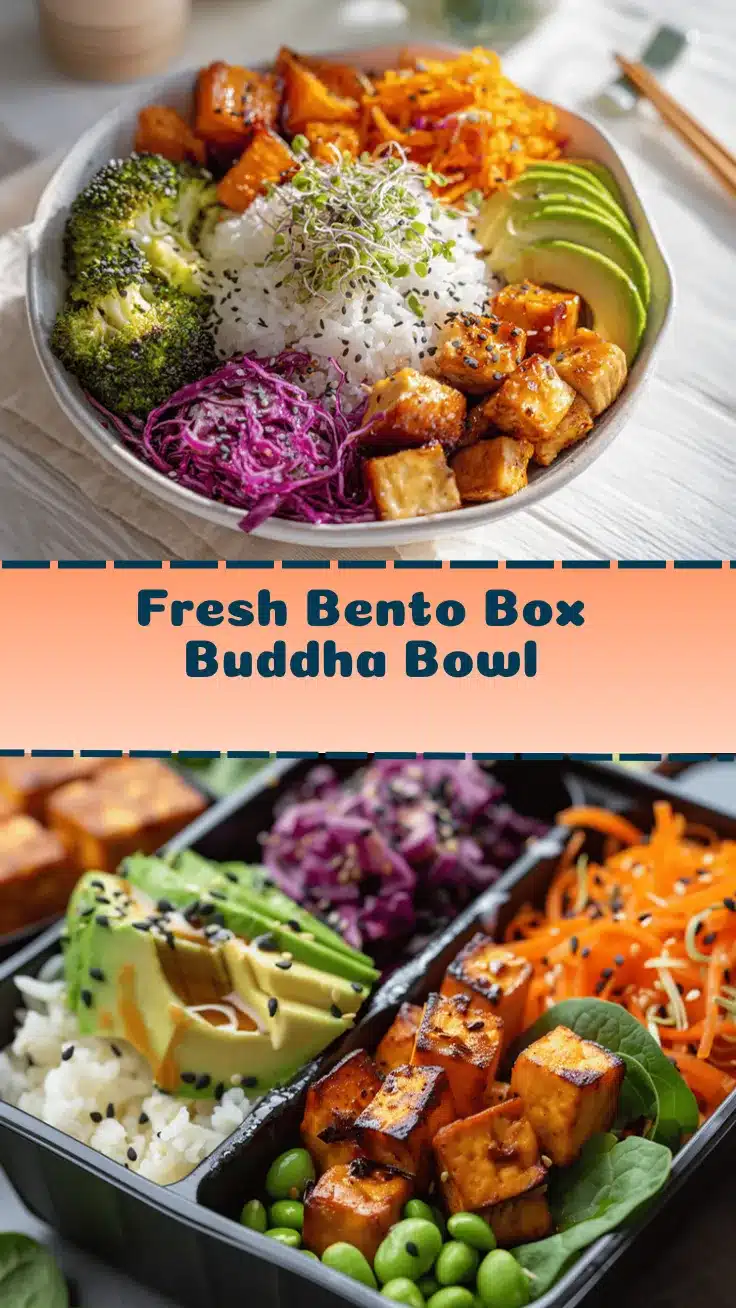
Bento Box Buddha Bowl

This vibrant, plant-based bento box Buddha bowl is packed with grains, roasted chickpeas, tofu, fresh veggies, fruit, and a creamy tahini dressing. It’s a quick, customizable, and nourishing meal perfect for lunchboxes, meal prep, or a colorful family dinner.
- Prep Time: 15 minutes
- Cook Time: 20 minutes
- Total Time: 35 minutes
- Yield: 2 servings 1x
- Category: Main Course
- Cuisine: Fusion
Ingredients
- 1 cup cooked brown rice or quinoa (about 1/2 cup dry)
- 1 cup mixed greens (baby spinach, arugula, or romaine)
- 1 cup canned chickpeas, drained and rinsed
- 1/2 block (about 4 oz) firm tofu, cubed
- 1/2 red bell pepper, thinly sliced
- 1 medium carrot, julienned or ribboned
- 1/2 cucumber, sliced
- 1/2 cup shelled edamame
- 2–3 radishes, thinly sliced
- 1/2 mango, peeled and sliced (or apple)
- 2 tbsp pomegranate seeds (optional)
- 1 tbsp roasted pumpkin seeds
- 1 tbsp pickled ginger
- 1–2 tbsp fresh cilantro or basil, chopped
- 2 tbsp tahini
- 2 tbsp lemon juice
- 1 tbsp maple syrup
- 2–3 tbsp water (to thin dressing)
- Salt and pepper, to taste
- Optional: Sriracha or chili flakes for heat
- 1 tsp olive oil (for roasting chickpeas and tofu)
Instructions
- Cook the brown rice or quinoa according to package instructions (about 15-20 minutes). Fluff with a fork and let cool slightly.
- Preheat oven to 400°F (200°C). Toss chickpeas and tofu cubes with olive oil, salt, and pepper. Spread on a lined baking sheet and roast for 20 minutes, shaking halfway through, until chickpeas are crisp and tofu is golden.
- While chickpeas and tofu roast, wash and slice all vegetables and fruit. Julienne carrot, slice bell pepper, cucumber, radishes, and mango (or apple). Shell edamame if needed.
- In a medium bowl, whisk together tahini, lemon juice, maple syrup, and water (start with 2 tbsp, add more for desired consistency). Season with salt, pepper, and optional sriracha or chili flakes.
- Assemble the bento box: Place greens and grains in the largest compartment. Arrange roasted chickpeas, tofu, veggies, and fruit in separate sections. Sprinkle with pumpkin seeds, pickled ginger, and herbs. Drizzle with dressing just before serving or pack dressing separately.
Notes
Roast chickpeas and tofu for extra crunch and flavor. Keep dressing and juicy fruits separate until ready to eat to prevent soggy greens. Prep veggies and grains in advance for quick assembly. Swap ingredients based on season or preference—this bowl is highly customizable.
Nutrition
- Serving Size: 1 bowl (about 2 cups total)
- Calories: 450
- Sugar: 10
- Sodium: 420
- Fat: 16
- Saturated Fat: 2
- Carbohydrates: 48
- Fiber: 11
- Protein: 16
Keywords: bento box, buddha bowl, vegan, plant-based, lunch, meal prep, healthy, gluten-free, tofu, chickpeas, tahini dressing, rainbow bowl, vegetarian