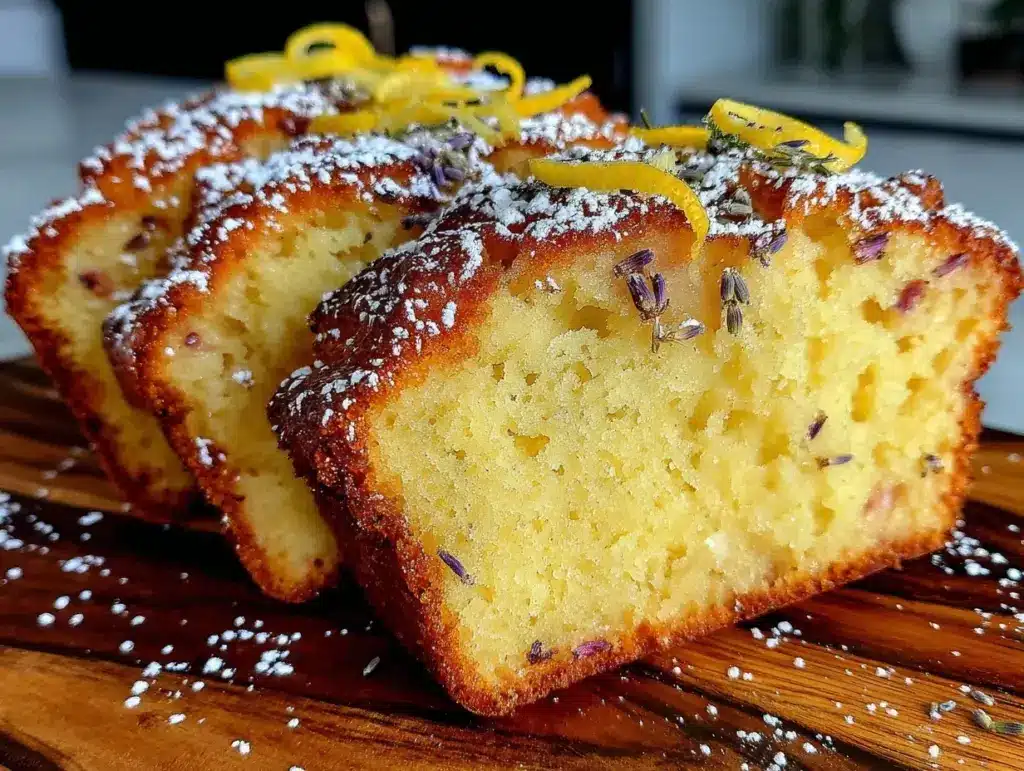
The first time I baked this lemon lavender pound cake, the kitchen instantly filled with a scent so fresh and floral, it reminded me of spring mornings in my grandmother’s garden. Honestly, it’s not just any cake — it’s that bright, fragrant treat that makes you pause and smile with every bite. You know that feeling when something tastes like sunshine? That’s exactly what this lemon lavender pound cake delivers.
I’ve whipped up countless pound cakes in my baking adventures, but this one stands out because it balances zesty lemon and delicate lavender perfectly, creating a flavor combo that feels both classic and a little fancy. As someone who loves baking for friends and family, I’ve tested this recipe over and over, tweaking it until it’s just right — moist, tender, and packed with just enough floral notes without going overboard.
This recipe is a keeper for those who want an easy homemade dessert that feels special but doesn’t require a degree in baking. Whether you’re hosting a brunch, craving a cozy afternoon slice with tea, or looking for a thoughtful gift from the kitchen, this lemon lavender pound cake is your go-to. Plus, it’s a wonderful way to enjoy lavender in a dessert without it feeling too perfumey or overpowering.
Why You’ll Love This Recipe
- Quick & Easy: Comes together in under an hour, perfect when you want something homemade without fuss.
- Simple Ingredients: Uses pantry staples and a touch of culinary lavender — no weird or hard-to-find items.
- Perfect for Any Occasion: Whether it’s a casual get-together or a fancy tea party, it fits right in.
- Crowd-Pleaser: Both kids and adults ask for seconds — the lemon zest brightens the lavender’s floral notes beautifully.
- Unbelievably Delicious Texture: Moist, dense yet tender crumb with a golden crust that’s just the right amount of buttery.
What makes this lemon lavender pound cake stand apart is the little trick of infusing the butter with dried lavender before mixing it into the batter. This step unlocks a super smooth floral undertone that feels natural, not forced. Also, the zest of fresh lemons adds that zing you want in a pound cake without making it too tart.
It’s definitely the kind of cake that makes you close your eyes after the first bite, savoring the unexpected harmony of flavors. I’ve served this cake at brunches, packed it in picnic baskets, and even gifted it in pretty tins — it always makes an impression without needing fancy frosting or decoration.
What Ingredients You Will Need
This lemon lavender pound cake recipe uses simple, wholesome ingredients to deliver bold flavor and a satisfying texture without the fuss. Most of these are kitchen staples, and the little extra lavender adds a touch of elegance that’s easy to manage.
- Unsalted butter (1 cup / 227g, softened) – I recommend using a high-quality European-style butter for richness.
- Granulated sugar (1 1/2 cups / 300g)
- Large eggs (4, room temperature) – Helps create that dense, tender crumb.
- All-purpose flour (2 cups / 240g) – You can swap with gluten-free flour blend if needed.
- Baking powder (1 1/2 tsp) – For that perfect lift.
- Salt (1/4 tsp) – Balances the sweetness.
- Fresh lemon zest (from 2 lemons) – Adds bright, zesty flavor.
- Fresh lemon juice (2 tbsp) – Enhances the citrus punch.
- Dried culinary lavender buds (1 tbsp, finely chopped) – Look for food-grade lavender from specialty stores or online for best results.
- Whole milk (1/4 cup / 60ml, room temperature) – Adds moisture and tenderness.
- Vanilla extract (1 tsp) – A subtle layer of warmth beneath the floral and citrus notes.
If you want to swap milk for a dairy-free option, almond or oat milk works nicely without changing the texture too much. I’ve also tried adding a tablespoon of honey instead of part of the sugar for a slightly different sweetness profile — it’s delightful!
Equipment Needed
- 9×5 inch loaf pan – Classic size for pound cakes; I prefer metal pans for even baking, but glass works too.
- Mixing bowls – At least two, one for dry ingredients and one for wet.
- Electric mixer or stand mixer – Makes creaming the butter and sugar much easier and smoother.
- Microplane or fine grater – Essential for zesting lemons finely without the bitter pith.
- Measuring cups and spoons – Accurate measurements are key for baking success.
- Sifter or fine mesh sieve – To aerate the flour and baking powder mixture.
- Rubber spatula – Great for folding ingredients gently without losing airiness.
If you don’t have a stand mixer, a sturdy hand mixer works just fine. For zesting, a box grater’s fine side can work in a pinch, but a microplane gives the best, fluffy zest. Also, butter should be softened but not melted — room temp for about an hour usually does the trick.
Detailed Preparation Method
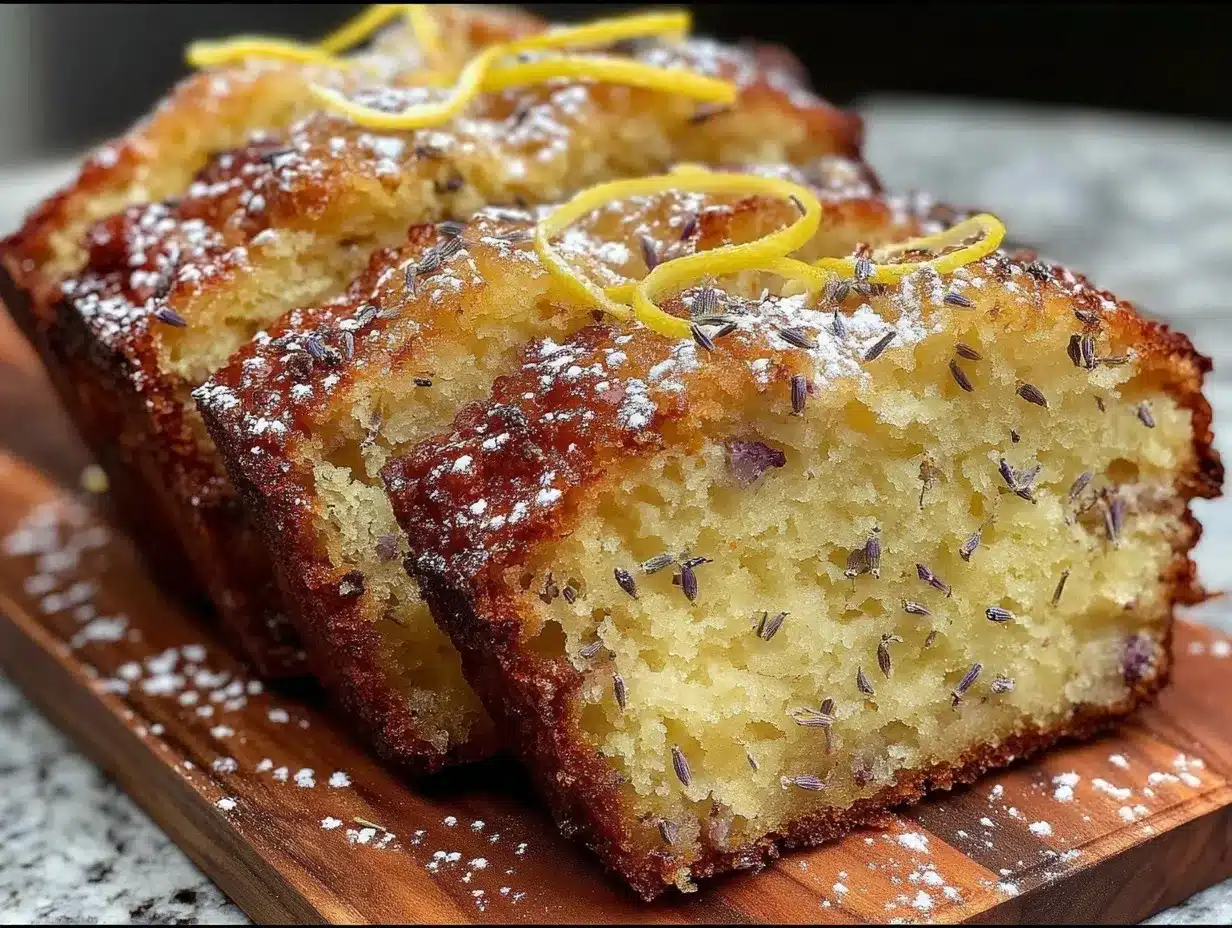
- Preheat your oven to 350°F (175°C) and grease your 9×5 inch loaf pan well with butter or non-stick spray. Line the bottom with parchment paper for easier release.
- Infuse the butter: In a small saucepan over low heat, gently warm the softened butter with the dried lavender buds for about 5 minutes. Remove from heat and let it cool slightly to room temperature, then strain out the lavender buds using a fine mesh sieve. This step unlocks that subtle floral aroma without being overpowering.
- Cream butter and sugar: In a large mixing bowl, beat the lavender-infused butter with the granulated sugar using an electric mixer on medium speed until light and fluffy, about 3 to 5 minutes. You’ll notice the mixture turning pale and airy — that’s your cue.
- Add the eggs: Crack in the eggs one at a time, beating well after each addition. This helps maintain the smooth texture and prevents curdling.
- In a separate bowl, sift together the flour, baking powder, and salt. This ensures your cake rises evenly and has a fine crumb.
- Combine dry and wet ingredients: Alternately add the dry flour mixture and the milk to the butter mixture, starting and ending with the flour. Mix gently with a rubber spatula or on low speed to avoid overworking the batter. Overmixing can make the cake tough.
- Fold in lemon zest, lemon juice, and vanilla extract. Give the batter a few gentle folds to evenly distribute these bright flavors.
- Pour the batter into your prepared loaf pan, smoothing the top with a spatula. Tap the pan lightly on the counter to release any trapped air bubbles.
- Bake for 50 to 60 minutes, or until a toothpick inserted into the center comes out clean or with a few moist crumbs attached. Around the 40-minute mark, if the top is browning too quickly, loosely tent with foil.
- Cool the cake in the pan for 15 minutes, then remove it to a wire rack to cool completely. This prevents sogginess and helps the flavors settle.
Pro tip: Don’t rush the cooling — the lemon lavender pound cake tastes best once it’s fully cooled, allowing the crumb to set nicely and the flavors to mellow. If you slice it warm, it might crumble or feel gummy.
Cooking Tips & Techniques
One trick I’ve learned is to always use room temperature ingredients — butter, eggs, milk — to help everything blend smoothly and trap air better. This simple step makes a big difference in the texture.
When mixing flour into the batter, fold gently instead of stirring vigorously. You want to keep the batter light and avoid developing gluten too much, which can make the cake dense and chewy instead of tender.
Another tip is to zest your lemons before juicing them. It’s easier to get all that fragrant zest, and you won’t risk losing any juice if you accidentally zest the lemon too thinly.
Watch the baking time closely — ovens vary, and pound cakes can dry out if left too long. If your cake is browning faster than it’s cooking through, cover it loosely with foil. Also, letting the cake rest overnight wrapped in parchment paper can improve the flavor and texture.
I used to skip infusing the butter and just added lavender buds directly to the batter, but that sometimes gave a gritty texture or overly strong floral taste. Infusing and straining the butter is worth the extra step for a smoother, more balanced flavor.
Variations & Adaptations
- Gluten-Free: Swap all-purpose flour with a 1:1 gluten-free baking flour blend. The texture will be a touch different but still moist and delicious.
- Honey Lemon Lavender Pound Cake: Replace 1/4 cup of the sugar with honey for a deeper sweetness that pairs beautifully with lavender.
- Lavender Blueberry Cake: Fold in 1/2 cup fresh or frozen blueberries to the batter before baking for a fruity twist.
- Dairy-Free Option: Use coconut oil instead of butter and almond milk instead of whole milk. The floral note will still shine through!
- Citrus Swap: Use orange zest and juice instead of lemon for a sweeter, less tart version.
Personally, I’ve tried the blueberry addition during summer, and it’s a refreshing change that adds bursts of juicy sweetness. Just be sure to toss the berries lightly in flour before folding them in to prevent sinking.
Serving & Storage Suggestions
This lemon lavender pound cake is best served at room temperature, sliced thick, and paired with a cup of tea or a light coffee. A dollop of whipped cream or a smear of lemon curd on the side makes a lovely accompaniment too.
To store, wrap the cooled cake tightly in plastic wrap or foil and keep it at room temperature for up to 3 days. For longer storage, it freezes beautifully — wrap it well and freeze for up to 3 months. When ready to enjoy, thaw overnight in the fridge and bring to room temp before serving.
Reheating a slice gently in the microwave for 10-15 seconds can bring back that fresh-baked warmth, but don’t overdo it or it can dry out.
Interestingly, the flavors of lemon and lavender tend to deepen and mellow a bit after a day, making leftovers even tastier. So, if you’re not in a rush, let it rest for a few hours before diving in.
Nutritional Information & Benefits
One generous slice (about 1/12th of the cake) contains roughly 320 calories, 18g fat, 35g carbohydrates, and 4g protein. The butter adds richness and essential fats, while eggs bring protein and structure.
Lemon zest and juice offer a good dose of vitamin C and antioxidants, which are great for immune support. Lavender, besides its lovely aroma, may have calming properties — perfect for a relaxing treat.
This pound cake isn’t exactly a diet food, but it’s a satisfying homemade dessert with real ingredients and no artificial additives. For those watching gluten or dairy, the suggested swaps keep it inclusive.
From a wellness perspective, I appreciate that this cake uses natural flavorings and fresh lemon instead of artificial extracts or powders. It feels like a treat made with care, not shortcuts.
Conclusion
In the end, this lemon lavender pound cake is one of those recipes that feels special but is surprisingly easy to make. It’s a lovely way to bring a touch of floral elegance and bright citrus cheer into your kitchen without stress or complicated steps.
Whether you stick to the classic version or try one of the variations, I encourage you to make it your own. Play with the amount of lavender, add your favorite berries, or swap citrus fruits depending on the season — it’s very forgiving and always delicious.
This cake holds a warm spot in my baking repertoire because it reminds me of simple joys: the smell of fresh flowers, the tang of lemons, and the comfort of homemade treats shared with loved ones. Give it a try and let me know how you customize yours — I love hearing your stories!
If you enjoyed this recipe, please leave a comment or share it with friends who might appreciate a slice of sunshine and lavender magic in their day.
Happy baking!
FAQs
Can I use fresh lavender instead of dried for this pound cake?
Fresh lavender can be more potent and watery, which might affect texture. It’s best to use dried culinary lavender buds for consistent flavor without added moisture.
How do I know when the pound cake is fully baked?
Insert a toothpick into the center — it should come out clean or with a few moist crumbs. The cake should also pull slightly away from the pan edges.
Can I make this cake vegan?
You’d need to substitute eggs (with flax eggs or commercial egg replacers), butter (with plant-based margarine or coconut oil), and milk (with plant milk). This will change the texture, so some experimentation may be needed.
What’s the best way to store leftover lemon lavender pound cake?
Wrap tightly in plastic wrap or foil and keep at room temperature for up to 3 days, or freeze for up to 3 months. Thaw fully before serving.
Is culinary lavender safe to eat?
Yes, as long as you use food-grade culinary lavender from a trusted source. Avoid lavender meant solely for fragrance or decorative use, as it may contain pesticides.
Pin This Recipe!
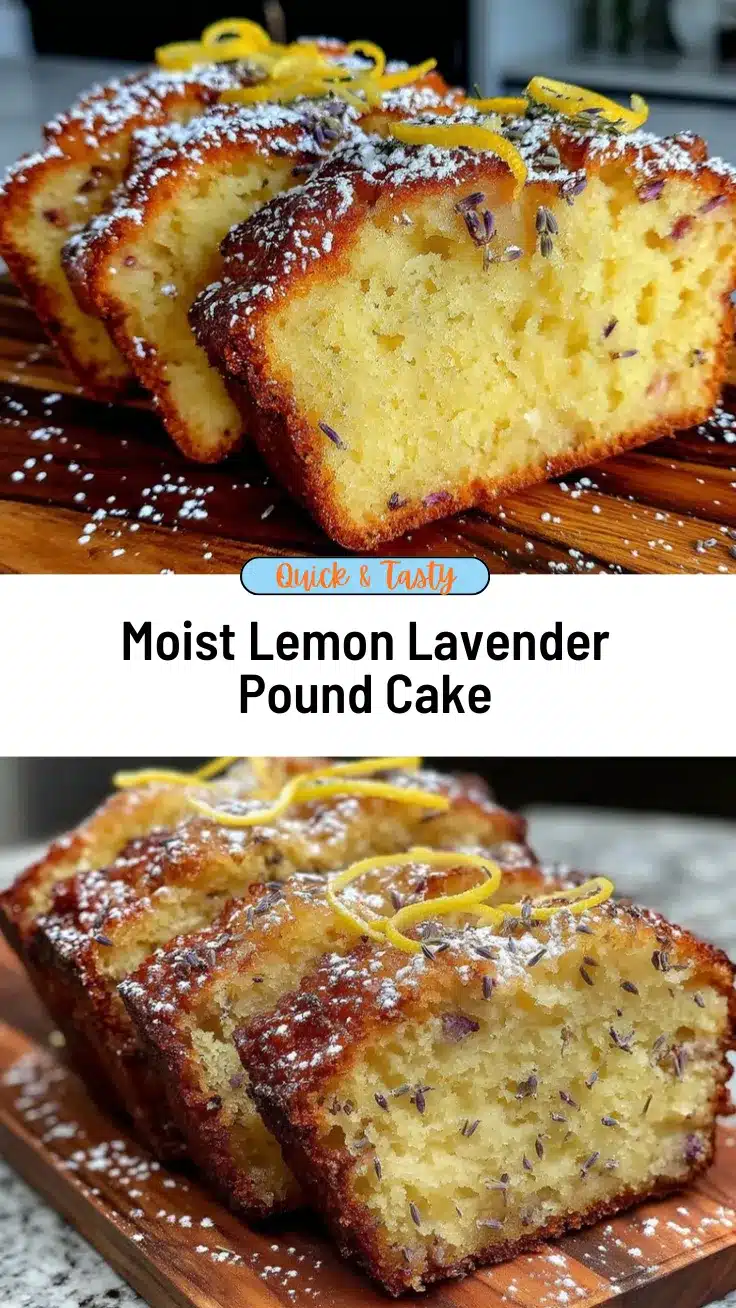
Irresistible Lemon Lavender Pound Cake

A bright, fragrant lemon lavender pound cake that balances zesty lemon and delicate lavender perfectly, delivering a moist, tender crumb with a golden buttery crust. Easy to make and perfect for any occasion.
- Prep Time: 15 minutes
- Cook Time: 50-60 minutes
- Total Time: 1 hour 10-15 minutes
- Yield: 12 servings 1x
- Category: Dessert
- Cuisine: American
Ingredients
- 1 cup (227g) unsalted butter, softened (preferably European-style)
- 1 1/2 cups (300g) granulated sugar
- 4 large eggs, room temperature
- 2 cups (240g) all-purpose flour (or gluten-free flour blend)
- 1 1/2 tsp baking powder
- 1/4 tsp salt
- Zest of 2 fresh lemons
- 2 tbsp fresh lemon juice
- 1 tbsp dried culinary lavender buds, finely chopped
- 1/4 cup (60ml) whole milk, room temperature
- 1 tsp vanilla extract
Instructions
- Preheat oven to 350°F (175°C) and grease a 9×5 inch loaf pan. Line the bottom with parchment paper.
- Infuse the butter by gently warming the softened butter with dried lavender buds over low heat for 5 minutes. Remove from heat, cool slightly, then strain out lavender buds.
- In a large bowl, beat the lavender-infused butter with granulated sugar using an electric mixer on medium speed until light and fluffy, about 3 to 5 minutes.
- Add eggs one at a time, beating well after each addition.
- In a separate bowl, sift together flour, baking powder, and salt.
- Alternately add the dry flour mixture and milk to the butter mixture, starting and ending with flour. Mix gently to avoid overworking.
- Fold in lemon zest, lemon juice, and vanilla extract.
- Pour batter into prepared loaf pan and smooth the top. Tap pan lightly to release air bubbles.
- Bake for 50 to 60 minutes or until a toothpick inserted in the center comes out clean or with a few moist crumbs. Tent with foil if top browns too quickly after 40 minutes.
- Cool cake in pan for 15 minutes, then transfer to a wire rack to cool completely.
Notes
Use room temperature ingredients for best texture. Infuse butter with lavender for a smooth floral flavor and strain out buds to avoid grit. Fold flour gently to keep cake tender. Tent with foil if browning too fast. Let cake cool completely before slicing to avoid crumbling. Cake tastes better after resting overnight. Variations include gluten-free flour, honey substitution for sugar, adding blueberries, or dairy-free options.
Nutrition
- Serving Size: 1 slice (1/12th of c
- Calories: 320
- Fat: 18
- Carbohydrates: 35
- Protein: 4
Keywords: lemon lavender pound cake, lemon cake, lavender cake, homemade pound cake, easy dessert, floral cake, lemon dessert