“You really think duck breasts will cook like chicken?” my friend teased from across the kitchen, eyeing the thick slabs of meat I’d just pulled from the fridge. Honestly, I was skeptical too. Duck always felt a little intimidating—rich, fatty, and tricky to get just right. But that evening, tired from a long week and craving something special, I decided to give pan-roasted duck breast a shot, pairing it with a quick cherry port wine reduction that smelled like autumn in a glass.
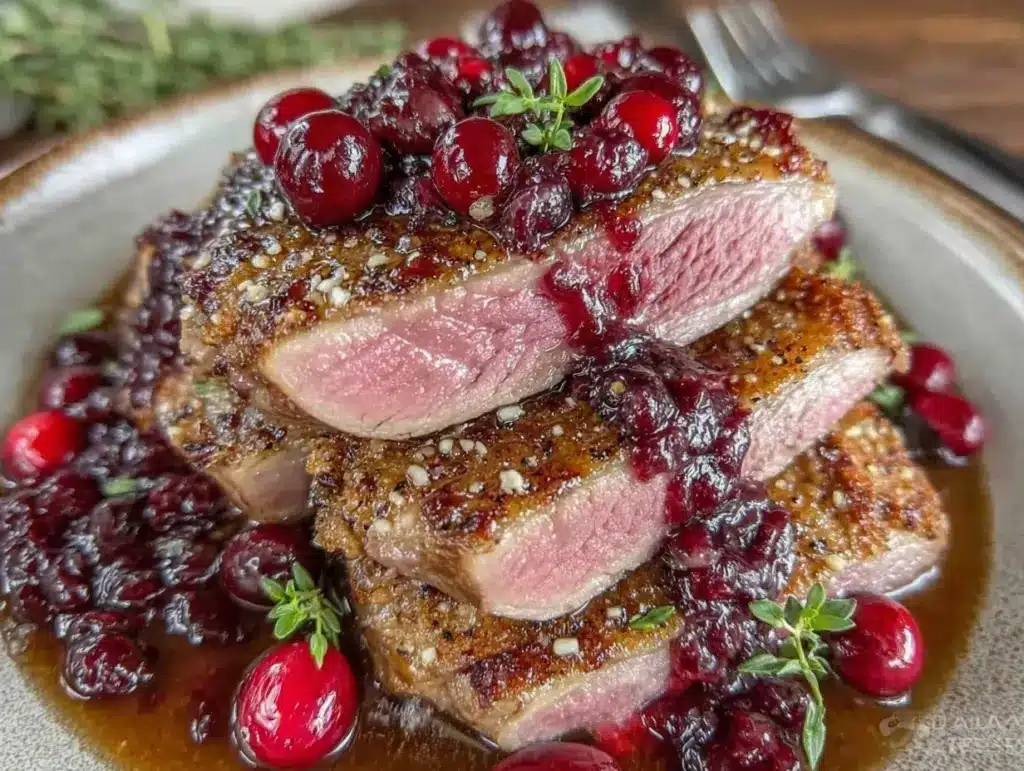
The sizzle when the skin hit the hot pan was mesmerizing, that crackling promise of crispiness making me forget all my doubts. As the rich aroma filled the air, I realized this wasn’t just another fancy dinner attempt—it was a quiet little victory in my kitchen. The duck breast came out perfectly pink inside, with a golden, crispy skin that snapped under my fork. And that sauce? Tart cherries and velvety port wine combined to cut through the richness, balancing every bite beautifully.
Since then, this recipe has become my go-to for when I want something impressive but not complicated. It’s one of those dishes that quietly impress guests without needing a ton of fuss. Plus, it pairs wonderfully with sides like roasted veggies or a simple green salad. No fancy equipment or weird ingredients—just straightforward cooking that rewards patience and a bit of love. This pan-roasted duck breast with cherry port wine reduction isn’t just a recipe; it’s a little reminder that sometimes the best meals come from trusting the process and savoring the moment.
Why You’ll Love This Recipe
After making this pan-roasted duck breast recipe countless times, I can honestly say it’s one of the most satisfying dishes you’ll master in your kitchen. Here’s why it’s worth your while:
- Quick & Easy: The entire dish comes together in about 30 minutes, perfect when you want something special without a marathon cooking session.
- Simple Ingredients: You probably already have duck breasts in your freezer or can easily find them at your local market. The cherry port wine reduction uses pantry staples like dried cherries and port wine or substitutes you can find easily.
- Perfect for Special Occasions: Whether it’s a dinner date, holiday feast, or a celebratory meal, this recipe brings a touch of elegance without the stress.
- Crowd-Pleaser: It’s rich, flavorful, and always gets compliments, even from those who say they’re “not really duck people.”
- Unbelievably Delicious: The crispy skin paired with the tender meat and that luscious cherry port wine sauce hits all the right notes — sweet, savory, tangy, and rich all at once.
What sets this pan-roasted duck breast apart from others is the attention to technique—scoring the skin just enough to render the fat and crisp it perfectly, and a sauce that’s balanced without overpowering the duck’s natural flavor. I learned early on that rushing the pan or skipping the resting period ruins the texture, so this recipe includes those little secrets that make a huge difference.
It’s comfort food with a bit of flair—something that feels indulgent but manageable. When I serve it, there’s always a moment of quiet satisfaction around the table, and honestly, that’s why I keep coming back to this dish.
What Ingredients You Will Need
This recipe relies on simple, quality ingredients that come together to create bold flavors and a satisfying texture without complicated prep. Most are pantry staples or easy to find at any grocery store.
- Duck Breasts: 2 skin-on, bone-in duck breasts (around 6-8 ounces each). Look for firm, fresh breasts for the best results.
- Salt and Pepper: Kosher salt and freshly ground black pepper for seasoning.
- Olive Oil: 1 tablespoon, to help crisp the skin (extra virgin works fine).
- Fresh Thyme: A few sprigs to infuse the duck with earthy aroma.
- Cherry Port Wine Reduction Sauce:
- 1 cup port wine (Ruby or Tawny Port works well)
- 1/2 cup dried cherries (or fresh if in season; frozen works too)
- 1 tablespoon balsamic vinegar (adds acidity and depth)
- 1 teaspoon honey or maple syrup (balances the tartness)
- 2 tablespoons unsalted butter (for a silky finish)
- 1 small shallot, finely minced (adds subtle sweetness)
- Salt and pepper to taste
If you want a gluten-free option, this recipe is naturally free of gluten. For dairy-free, you can swap the butter for a neutral oil or dairy-free margarine. When I shop for port, I usually go with Graham’s or Fonseca for a good balance of richness and fruitiness—makes a noticeable difference in the sauce.
Equipment Needed
- Cast Iron Skillet or Heavy-Bottomed Frying Pan: Essential for even heat and getting that crispy duck skin. I’ve tried non-stick pans, but they never give the same sear.
- Tongs: For safely turning the duck breasts without piercing the meat.
- Sharp Knife: To score the skin and slice the cooked duck breast.
- Small Saucepan: For making the cherry port wine reduction sauce.
- Meat Thermometer (optional but recommended): To check the internal temperature and ensure perfect doneness.
If you don’t have a cast iron skillet, a heavy stainless steel pan works fine—just make sure it’s hot before adding the duck. For sauce prep, a small non-reactive saucepan is best to avoid any metallic taste with the vinegar and wine. Personally, I keep my tongs handy for flipping everything from my bacon-stuffed mushrooms to this duck; it’s one of those kitchen tools that just pays off over and over.
Preparation Method
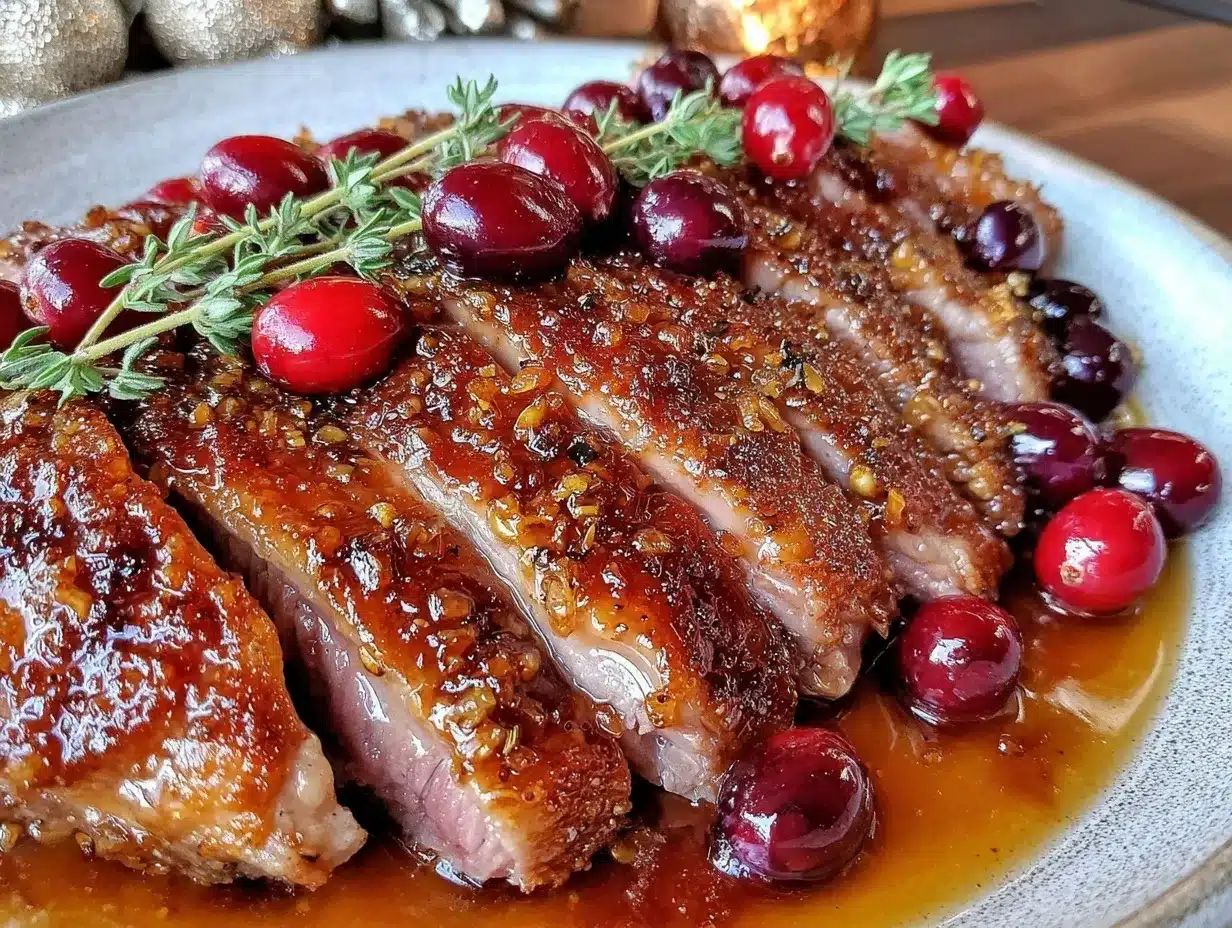
- Score the Duck Skin: Using a sharp knife, gently score the skin of the duck breasts in a crisscross pattern, about 1/4 inch apart. Be careful not to cut into the meat. This helps render the fat and get that crisp skin. Season both sides generously with kosher salt and freshly ground black pepper.
- Heat Your Pan: Place your cast iron skillet over medium heat and add 1 tablespoon of olive oil. Let it heat until shimmering but not smoking (about 2-3 minutes).
- Cook the Duck Skin Side Down: Place the duck breasts skin side down in the pan. You should hear a satisfying sizzle. Cook without moving for about 6-8 minutes, allowing the fat to render and the skin to become deeply golden and crispy. Use tongs to press the breasts down gently if needed for even contact.
- Flip and Add Thyme: Turn the duck breasts over and add the fresh thyme sprigs to the pan. Cook the meat side for another 4-5 minutes for medium-rare (internal temperature around 135°F/57°C). Adjust timing if you prefer it more done, but beware overcooking, which dries out the meat.
- Rest the Duck: Remove the duck breasts and let them rest on a cutting board for at least 5 minutes. Resting helps the juices redistribute, keeping the meat tender and juicy.
- Make the Cherry Port Wine Reduction: While the duck rests, pour off excess fat from the pan, leaving about 1 tablespoon. Add the minced shallot and sauté over medium heat until softened (about 2 minutes). Pour in the port wine, balsamic vinegar, honey, and dried cherries. Bring to a simmer and let it reduce by half, stirring occasionally (about 8-10 minutes). Once reduced, whisk in the cold butter off heat for a glossy finish. Season with salt and pepper to taste.
- Slice and Serve: Slice the duck breasts thinly against the grain. Arrange on plates and spoon over the warm cherry port wine reduction. Pair with your favorite sides and enjoy immediately!
Pro tip: If your duck skin isn’t crisping well, your pan might not be hot enough or there might be too much moisture on the skin—pat dry thoroughly before cooking. Also, don’t rush the resting step; it’s key for juicy results. And remember, that sauce thickens quickly, so keep an eye on it so it doesn’t burn or become too syrupy.
Cooking Tips & Techniques
Getting duck breast perfectly pan-roasted can feel like a culinary balancing act, but a few key tips make it feel effortless:
- Score Skin Without Cutting Meat: This lets the fat render out evenly without drying the meat. It’s the difference between soggy skin and that irresistible crackle.
- Start Skin-Side Down in a Cold or Warm Pan: Starting in a warm pan helps fat render slowly. Some cooks swear by starting in a cold pan and gradually heating, but I prefer medium heat from the start to get quicker crisp.
- Don’t Move the Duck While Cooking Skin-Side Down: It needs uninterrupted contact with the pan to crisp up properly.
- Use a Meat Thermometer: Duck is best served medium rare; 135°F (57°C) is the sweet spot. Overcooked duck gets tough quickly.
- Rest Your Meat: Always rest to keep juices intact. I learned the hard way when rushing this step led to dry bites.
- Reduce the Sauce Slowly: The cherry port wine reduction needs gentle simmering to avoid bitterness or burning. Patience here pays off big flavor dividends.
One time, I forgot to score the skin and ended up with a rubbery mess—lesson learned! Also, if you find the sauce too tart, a splash more honey smooths it right out. Timing your sides—like roasted potatoes or a spicy avocado chicken wrap—to finish just as your duck comes off the pan makes the whole meal feel polished and stress-free.
Variations & Adaptations
This pan-roasted duck breast recipe is pretty flexible, so you can tweak it to suit your taste or dietary needs:
- Seasonal Fruit Sauce: Instead of cherries, try fresh or frozen blueberries, blackberries, or even figs for a different flavor twist. In summer, fresh fruit adds a bright note.
- Spicy Kick: Add a pinch of red pepper flakes to the sauce for subtle heat or mix in a teaspoon of Dijon mustard for tang.
- Gluten-Free & Dairy-Free: Naturally gluten-free, just swap the butter in the sauce for coconut oil or a dairy-free margarine.
- Alternative Cooking Methods: If you don’t want to pan-sear, you can finish the duck breasts in a preheated oven at 400°F (200°C) for 6-8 minutes after crisping the skin on the stovetop.
- Herb Variations: Swap thyme with rosemary or sage for a different aroma.
I once tried a port wine and blackberry reduction that was a bit bolder and loved how it played with the duck’s richness. Feel free to experiment—just remember to keep the sauce balanced so it complements rather than overwhelms.
Serving & Storage Suggestions
This dish is best served warm, right after resting and slicing. The crispy skin and tender meat shine brightest fresh from the pan. For presentation, I like to drizzle the cherry port wine reduction over the sliced duck and garnish with a few fresh thyme leaves.
Pair it with creamy mashed potatoes, roasted root vegetables, or a simple green salad to cut through the richness. A glass of red wine or full-bodied white pairs nicely, too.
Leftovers store well in an airtight container in the fridge for up to 2 days. Reheat gently in a skillet over low heat to keep the skin from getting rubbery—avoid the microwave if you can. The sauce can be reheated separately on the stove. Flavors deepen after a day, so if you have time, letting leftovers rest overnight in the fridge makes for a delicious second meal.
Nutritional Information & Benefits
A 6-ounce (170g) serving of pan-roasted duck breast offers approximately 350-400 calories, with 28 grams of protein and 28 grams of fat, mostly monounsaturated and saturated fats from the rendered duck skin. The cherry port wine reduction adds antioxidants from the cherries and moderate sugars from the honey and wine.
Duck is a great source of iron, zinc, and B vitamins, making it a nourishing choice when enjoyed in moderation. This recipe avoids heavy creams or flours, keeping it relatively light compared to other rich duck dishes.
For those watching carbs, the sauce is fairly low-carb, especially if you reduce or omit the honey. It’s naturally gluten-free, making it suitable for many dietary needs. Just watch for allergies related to sulfites in wine or specific fruit sensitivities.
Conclusion
This perfect pan-roasted duck breast with cherry port wine reduction has become my quiet kitchen champion. It’s that rare recipe where technique meets simplicity, delivering a dish that feels fancy but is surprisingly doable. You don’t have to be a professional chef to pull off crispy skin, tender meat, and a sauce that sings with sweet-tart notes.
Feel free to make it your own—adjust the sauce, try different herbs, or swap sides for your favorite flavors. I love that it brings a little moment of joy and accomplishment to any evening, no matter how hectic the day was.
Give it a shot, and if you end up tweaking it or pairing it with a dish like the maple bourbon pork chops with caramelized apples, I’d love to hear how it went. Cooking is about sharing stories as much as flavors, after all.
Frequently Asked Questions
- Can I use frozen duck breasts for this recipe?
Yes, just thaw them completely in the refrigerator overnight for best results. Pat dry thoroughly before cooking to ensure crispy skin. - What if I don’t have port wine?
You can substitute with a dry red wine or a mix of grape juice and balsamic vinegar, though the flavor will be slightly different. - How do I know when the duck breast is done?
Use a meat thermometer: 135°F (57°C) for medium rare. The meat should be pink but not raw inside. - Can I make the cherry port wine reduction ahead of time?
Yes, you can prepare the sauce earlier and gently reheat it before serving. Just add the butter after reheating for the best texture. - What sides pair well with this duck breast recipe?
Roasted vegetables, creamy mashed potatoes, or a fresh green salad work beautifully. You might also enjoy it alongside my slow cooker creamy chicken taco soup for a full meal experience.
Pin This Recipe!
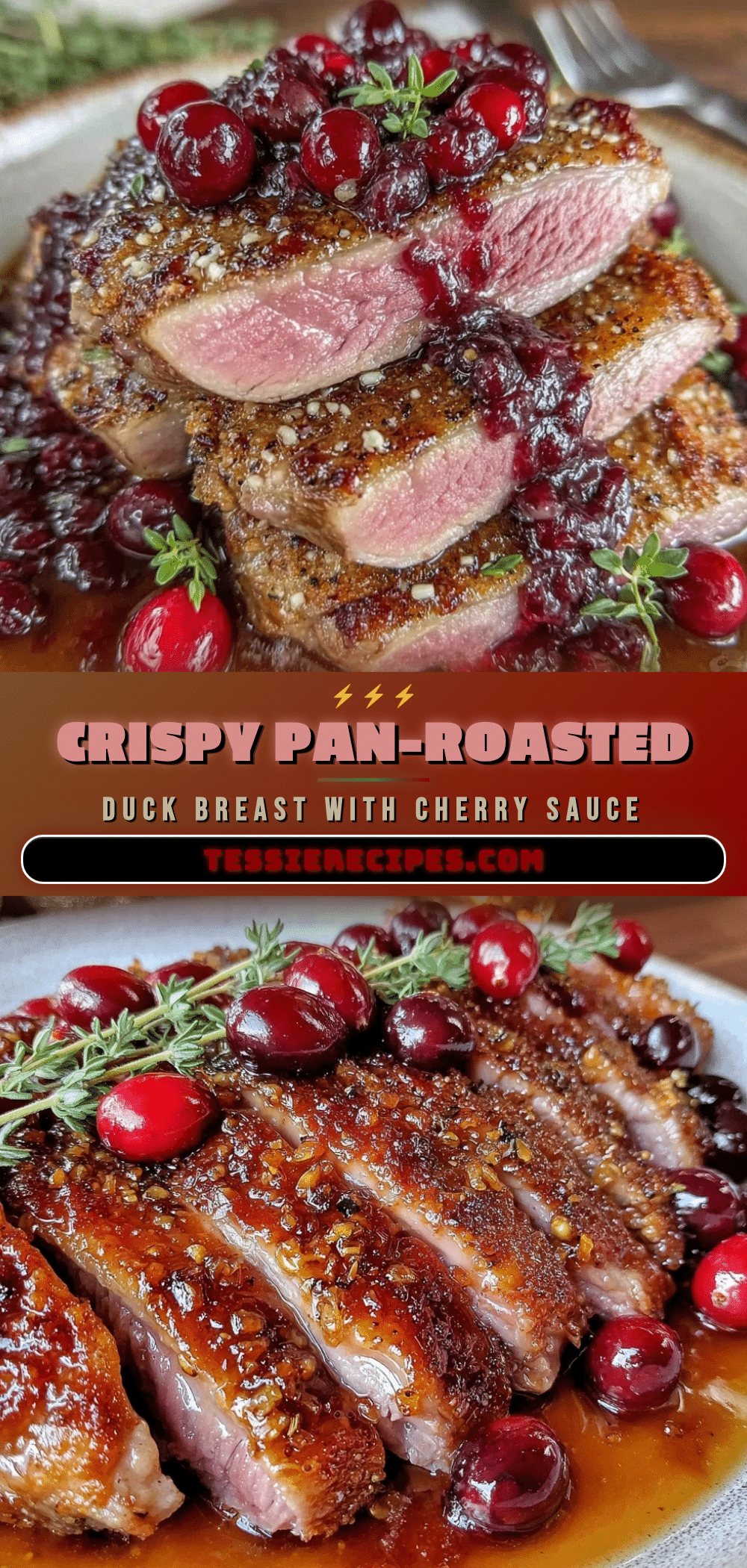
Perfect Pan-Roasted Duck Breast Recipe with Easy Cherry Port Wine Reduction

This pan-roasted duck breast recipe delivers perfectly crispy skin and tender, juicy meat paired with a luscious cherry port wine reduction sauce. It’s quick, elegant, and perfect for special occasions or a satisfying weeknight meal.
- Prep Time: 10 minutes
- Cook Time: 20 minutes
- Total Time: 30 minutes
- Yield: 2 servings 1x
- Category: Main Course
- Cuisine: French-inspired
Ingredients
- 2 skin-on, bone-in duck breasts (6–8 ounces each)
- Kosher salt, to taste
- Freshly ground black pepper, to taste
- 1 tablespoon olive oil (extra virgin works fine)
- A few sprigs fresh thyme
- For the Cherry Port Wine Reduction Sauce:
- 1 cup port wine (Ruby or Tawny Port)
- 1/2 cup dried cherries (or fresh/frozen if in season)
- 1 tablespoon balsamic vinegar
- 1 teaspoon honey or maple syrup
- 2 tablespoons unsalted butter
- 1 small shallot, finely minced
- Salt and pepper to taste
Instructions
- Score the duck skin in a crisscross pattern about 1/4 inch apart without cutting into the meat. Season both sides generously with kosher salt and freshly ground black pepper.
- Heat a cast iron skillet over medium heat and add 1 tablespoon olive oil. Heat until shimmering but not smoking (about 2-3 minutes).
- Place the duck breasts skin side down in the pan. Cook without moving for 6-8 minutes until the skin is deeply golden and crispy, pressing gently with tongs if needed.
- Flip the duck breasts and add fresh thyme sprigs to the pan. Cook the meat side for 4-5 minutes for medium-rare (internal temperature around 135°F/57°C). Adjust time for preferred doneness.
- Remove the duck breasts and let rest on a cutting board for at least 5 minutes to redistribute juices.
- Pour off excess fat from the pan, leaving about 1 tablespoon. Add minced shallot and sauté over medium heat until softened (about 2 minutes).
- Add port wine, balsamic vinegar, honey, and dried cherries. Bring to a simmer and reduce by half, stirring occasionally (8-10 minutes).
- Off heat, whisk in cold butter for a glossy finish. Season sauce with salt and pepper to taste.
- Slice the duck breasts thinly against the grain, arrange on plates, and spoon warm cherry port wine reduction over the top. Serve immediately.
Notes
Pat duck skin dry thoroughly before cooking to ensure crispiness. Do not rush the resting period to keep the meat juicy. Watch the sauce carefully to avoid burning or over-thickening. Butter can be substituted with dairy-free margarine or neutral oil for a dairy-free option. Use a meat thermometer to achieve perfect medium-rare doneness at 135°F (57°C).
Nutrition
- Serving Size: 1 duck breast (6-8 o
- Calories: 375
- Sugar: 6
- Sodium: 350
- Fat: 28
- Saturated Fat: 8
- Carbohydrates: 8
- Fiber: 1
- Protein: 28
Keywords: duck breast, pan-roasted duck, cherry port wine reduction, easy duck recipe, crispy duck skin, elegant dinner, quick gourmet meal