Introduction
It was one of those late summer evenings when the backyard was humming with the faint buzz of cicadas, and the sky painted itself in hues of deep orange and pink. I had promised a few friends some barbecue, but honestly, I was a bit skeptical about smoking brisket. I’d heard stories of dry, tough meat that left everyone grimacing, so I almost skipped it altogether. But there was this brisket sitting in the fridge, practically daring me to try. So, I fired up the smoker, fiddled with the rub, and hoped for the best.
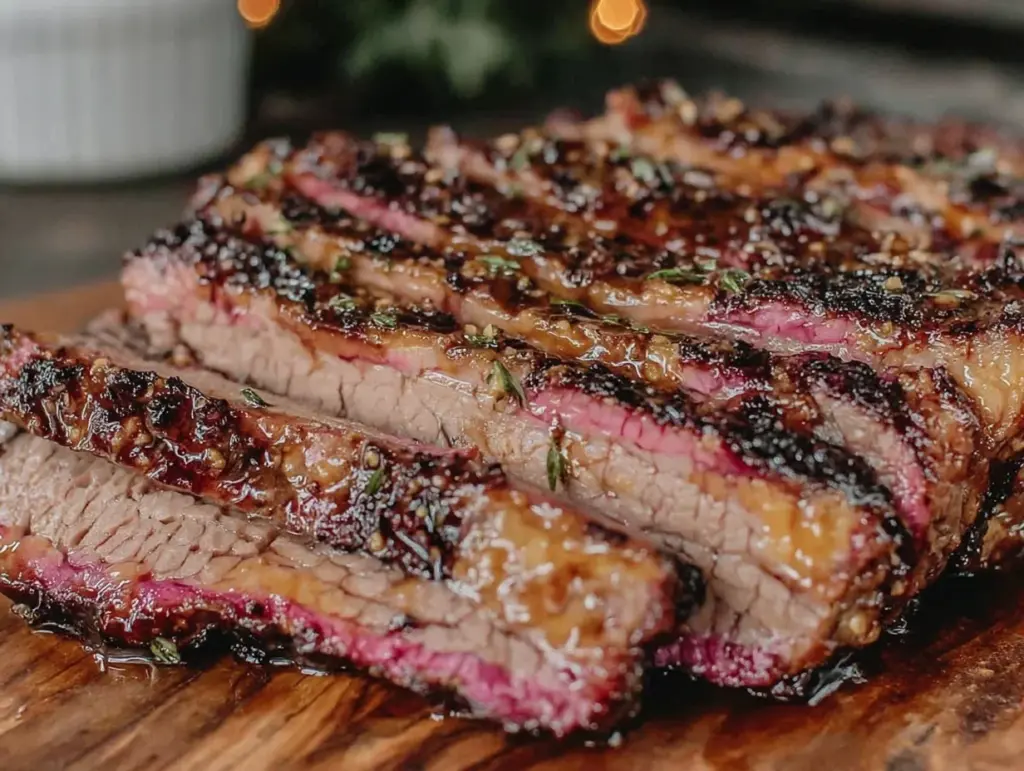
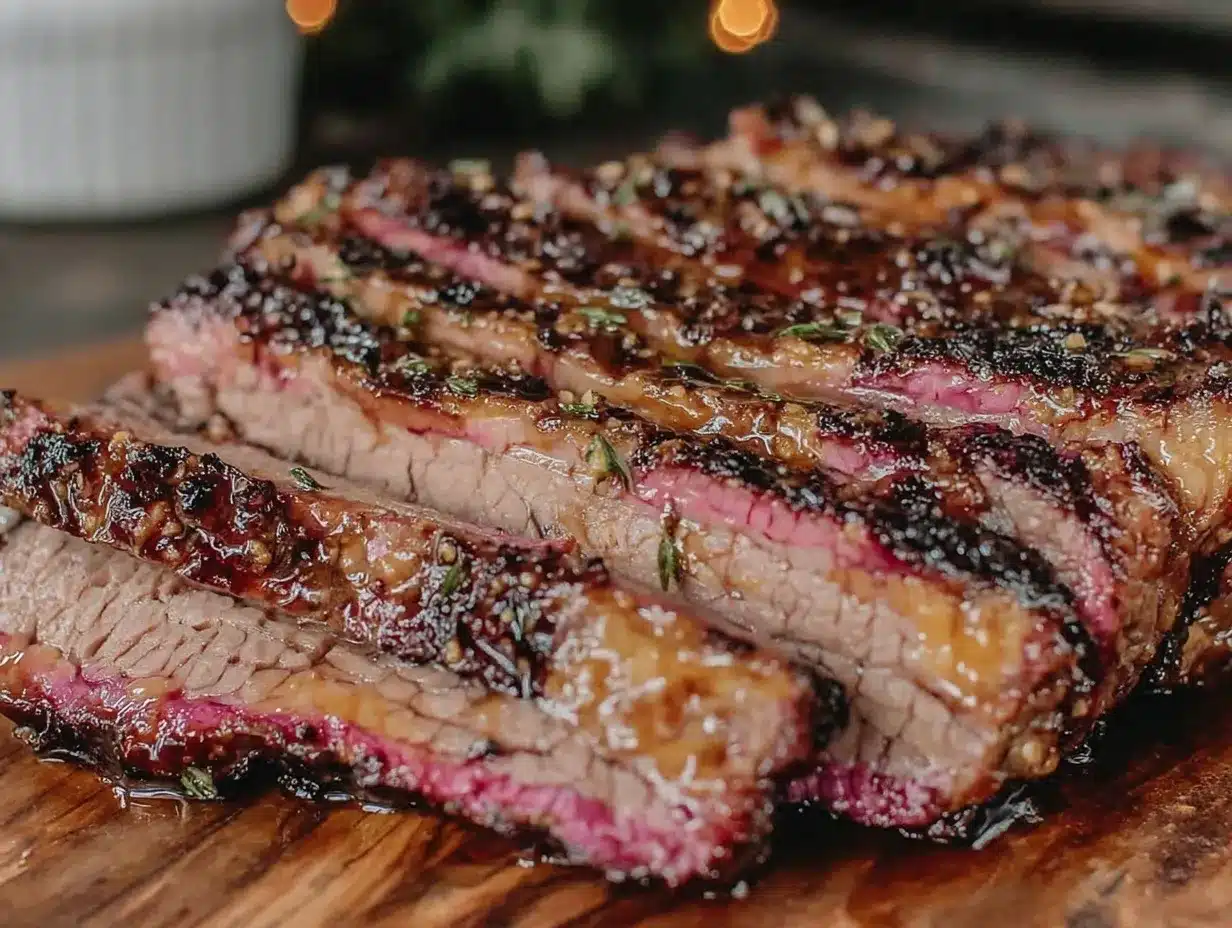
The hours crawled by, and the smell started creeping through the neighborhood — smoky, sweet, and a little spicy. When I finally sliced into that brisket, the bark was perfectly caramelized, crunchy in the best possible way, and the inside was melt-in-your-mouth tender. My friends kept asking, “Where did you get this recipe?” The truth is, it came from a happy accident of mixing patience with a few simple tricks I picked up from old-timers and a stubborn streak to get it right.
That brisket stayed in my rotation ever since — it’s the kind of dish that makes you forget the long wait, rewarding you with every bite. Honestly, it taught me that smoking brisket isn’t some mystical art reserved for pros; it’s about respect for the meat, a little patience, and a bit of love. It’s a recipe that stuck because it’s reliable and downright delicious, and I’m pretty sure once you try it, you’ll feel the same quiet satisfaction every time.
Why You’ll Love This Recipe
After countless trials, tweaks, and sharing it with friends and family, this tender smoked beef brisket recipe has earned its place as a dependable favorite. It’s not just about smoking meat; it’s about capturing that perfect balance of texture, flavor, and aroma that keeps everyone coming back for more.
- Quick & Easy: While smoking takes time, the hands-on prep is straightforward and manageable, perfect for busy weekends or when you want to impress without stress.
- Simple Ingredients: No need for exotic spices or hard-to-find cuts — just a good brisket, a few staple spices, and wood chips for that signature smoke.
- Perfect for Gatherings: Whether it’s a backyard party, a family dinner, or a casual hangout, this brisket serves as the centerpiece everyone raves about.
- Crowd-Pleaser: The crispy, caramelized bark contrasts beautifully with the tender, juicy interior — it’s a texture and flavor combo that kids and adults alike adore.
- Unbelievably Delicious: The magic lies in the slow smoke, which infuses the meat with deep, rich flavor, while the carefully crafted rub creates that irresistible crust.
What sets this brisket apart from others is the attention to the bark — that caramelized crust is where flavor and texture meet in harmony. I blend my rub to strike the perfect balance of sweet, savory, and smoky notes, plus a little patience in the smoker to let the bark form naturally. This recipe isn’t just about making brisket; it’s about crafting an experience that fills your kitchen with warmth and your plate with comfort.
What Ingredients You Will Need
This recipe uses simple, wholesome ingredients to deliver bold flavor and satisfying texture without the fuss. Most are pantry staples, and substitutions are easy if needed.
- Beef Brisket: 5 to 6 pounds (2.3 to 2.7 kg), whole packer cut with fat cap (look for good marbling for juiciness).
- Salt: Kosher salt preferred for even seasoning (Diamond Crystal is a trusted brand I use).
- Black Pepper: Freshly cracked coarse black pepper (adds a sharp, earthy bite).
- Paprika: Smoked paprika if you want an extra smoky depth; otherwise, regular paprika works fine.
- Garlic Powder: For a subtle savory note.
- Onion Powder: Adds a hint of sweetness and complexity.
- Brown Sugar: Light or dark, about 2 tablespoons (helps with caramelization and balances the rub).
- Mustard Powder: Optional but recommended for a slight tang that brightens the bark.
- Wood Chips for Smoking: Hickory or oak give a classic barbecue flavor; fruitwoods like apple or cherry add a milder, sweeter smoke.
If you want to make a gluten-free version, all these ingredients are naturally gluten-free, just double-check your paprika and spice blends. For a low-sodium option, reduce salt and add a dash of smoked salt later for flavor. Tried swapping brown sugar for coconut sugar once — it adds an interesting twist, but the classic version remains my favorite.
Equipment Needed
- Smoker: A charcoal or electric smoker works well; I personally prefer a pellet smoker for consistent temperature control.
- Meat Thermometer: An instant-read or probe thermometer is essential for checking doneness.
- Sharp Knife: For trimming the brisket before smoking and slicing after.
- Mixing Bowls: For preparing the rub.
- Aluminum Foil or Butcher Paper: To wrap the brisket during the stall phase (helps retain moisture).
- Spray Bottle: Filled with apple cider vinegar or water to spritz the brisket and keep it moist.
No smoker? You can adapt using a grill with indirect heat and a water pan, plus wood chunks for smoke. Just watch your temperature carefully! For budget-friendly options, a simple charcoal grill plus a thermometer can get you close to the same results if you’re patient and attentive.
Preparation Method
- Trim the Brisket: Using a sharp knife, trim excess fat from the brisket, leaving about ¼ inch (0.6 cm) fat cap to keep the meat moist during smoking. Trim silver skin and any tough bits. This should take about 15 minutes.
- Prepare the Rub: In a bowl, combine 3 tablespoons kosher salt, 2 tablespoons coarse black pepper, 2 tablespoons paprika, 1 tablespoon garlic powder, 1 tablespoon onion powder, 2 tablespoons brown sugar, and 1 teaspoon mustard powder. Mix well. This rub strikes a balance between savory and sweet, building that rich bark.
- Season the Brisket: Pat the brisket dry with paper towels. Generously apply the rub all over the meat, pressing it in with your hands to form a good coating. Let it rest at room temperature for 30 to 45 minutes — this helps the rub penetrate and brings the meat closer to even cooking temperature.
- Prepare the Smoker: Preheat your smoker to 225°F (107°C). Add your choice of wood chips or chunks. Keep the smoke thin and blue, not thick and heavy — that’s the sweet spot for flavor without bitterness. This step usually takes about 20 minutes.
- Smoke the Brisket: Place the brisket fat side up on the smoker grate. Insert a probe thermometer into the thickest part. Smoke until the internal temperature reaches about 165°F (74°C). This can take 5 to 6 hours, so patience is key. Spritz the brisket every hour with apple cider vinegar or water to keep the bark moist and flavorful.
- Wrap and Continue Cooking: Once the brisket hits 165°F, wrap it tightly in butcher paper or aluminum foil. This “Texas crutch” helps push through the stall and retain moisture. Return it to the smoker and cook until it reaches an internal temperature of 203°F (95°C), another 2 to 3 hours.
- Rest the Brisket: Remove the wrapped brisket and let it rest for at least 1 hour in a cooler or warm area. Resting lets the juices redistribute, ensuring every bite is juicy and tender.
- Slice and Serve: Slice the brisket against the grain into ¼-inch (0.6 cm) thick slices. Serve with your favorite barbecue sauce or enjoy it as-is to savor the smoky, caramelized bark.
Cooking Tips & Techniques
Smoking brisket isn’t a race — it’s a slow, steady process that rewards patience and attention. One common mistake is rushing the cook or increasing the heat, which leads to tough meat or burnt bark. Stick to low and slow, and trust your thermometer more than the clock.
Trimming the fat cap properly is crucial — too much fat leaves the bark soggy, too little and the meat dries out. I’ve learned that leaving about a quarter-inch is the sweet spot. Also, don’t skip resting the meat; it’s tempting to dig right in, but those resting juices make all the difference.
Another pro tip: wrapping the brisket during the stall phase helps push through that temperature plateau while keeping moisture in. Using butcher paper instead of foil lets the bark breathe a bit, maintaining texture without losing moisture.
Multitasking during the smoke comes naturally after a few tries — prepping sides, cleaning up, or even just relaxing with a cold drink. Remember to keep the smoker lid closed as much as possible; every peek lets out precious heat and smoke.
Variations & Adaptations
- Spice Variations: Try adding cumin, chili powder, or cayenne to the rub for a smoky heat punch. For a sweeter bark, increase the brown sugar slightly or add a touch of maple syrup before wrapping.
- Cooking Methods: If you don’t have a smoker, use a grill set for indirect heat, adding soaked wood chips in a foil packet for smoke. Alternatively, use an oven at 250°F (121°C) and add a liquid smoke element to the rub.
- Dietary Adjustments: For a lower sodium option, reduce salt and boost pepper and paprika for flavor. Use coconut sugar or date sugar if you want a natural sweetener substitute. Gluten-free options are easy since the rub ingredients are naturally free from gluten.
- Personal Twist: I once wrapped the brisket with a layer of bacon before smoking, which added a rich, smoky fat layer and a crispy finish — definitely a treat for bacon lovers!
Serving & Storage Suggestions
Serve this brisket warm or at room temperature, as the flavors really shine when it’s rested. Pair it with classic sides like coleslaw, baked beans, or cornbread for a true barbecue feast. A cold beer or a glass of bold red wine complements the smoky notes beautifully.
Store leftovers wrapped tightly in foil or airtight containers in the fridge for up to 4 days. For longer storage, freeze sliced brisket in freezer bags for up to 3 months. When reheating, gently warm slices wrapped in foil at 300°F (150°C) to maintain moisture. Leftover brisket often tastes even better the next day as the flavors meld together.
Nutritional Information & Benefits
A typical 4-ounce (113 g) serving of smoked beef brisket contains around 280 calories, 20 grams of protein, and 20 grams of fat, depending on the cut and trimming. It’s a solid source of iron, zinc, and B vitamins, which support energy and immune function.
Because this recipe relies on whole ingredients and simple spices without fillers or preservatives, it’s a wholesome choice for meat lovers. Moderation is key given the fat content, but the slow smoking process can help render out excess fat, making it less greasy than some other preparations.
Those watching carbs will appreciate this recipe’s naturally low-carb profile. Just be mindful of any sugary sauces served alongside. For gluten-sensitive eaters, this recipe is naturally free from gluten, assuming your spice blends are pure.
Conclusion
This tender smoked beef brisket with rich, caramelized bark isn’t just another barbecue recipe — it’s a testament to patience, simple ingredients, and a bit of trial and error. The kind of dish that makes your kitchen smell like a backyard celebration and fills plates with smoky, juicy satisfaction.
Feel free to tweak the rub or smoking wood to fit your taste — that’s part of the fun. What matters most is the slow cook and the love you put into it. I keep coming back to this recipe because it reliably delivers that perfect bark and tender bite, every single time.
Give it a shot, and if you do, I’d love to hear how your brisket turned out or any creative spins you put on it. There’s something magical about sharing good food stories, don’t you think?
FAQs
How long does it take to smoke a beef brisket?
Smoking a 5 to 6-pound brisket usually takes about 8 to 10 hours at 225°F (107°C), depending on your smoker and the meat’s thickness.
What is the best wood for smoking brisket?
Hickory and oak are classic choices that give a robust smoky flavor. Fruitwoods like apple or cherry offer a milder, slightly sweet smoke.
Why is my brisket tough instead of tender?
This usually means it wasn’t cooked long enough to break down connective tissue or it was cooked too hot. Low and slow is the key to tender brisket.
Can I prepare the brisket the night before?
Absolutely! Applying the rub and letting the brisket rest overnight in the fridge can improve flavor penetration and make prep day easier.
Should I wrap the brisket during smoking?
Wrapping at around 165°F (74°C) helps push through the stall and retain moisture. Use butcher paper for a crisper bark or foil for more moisture retention.
Pin This Recipe!
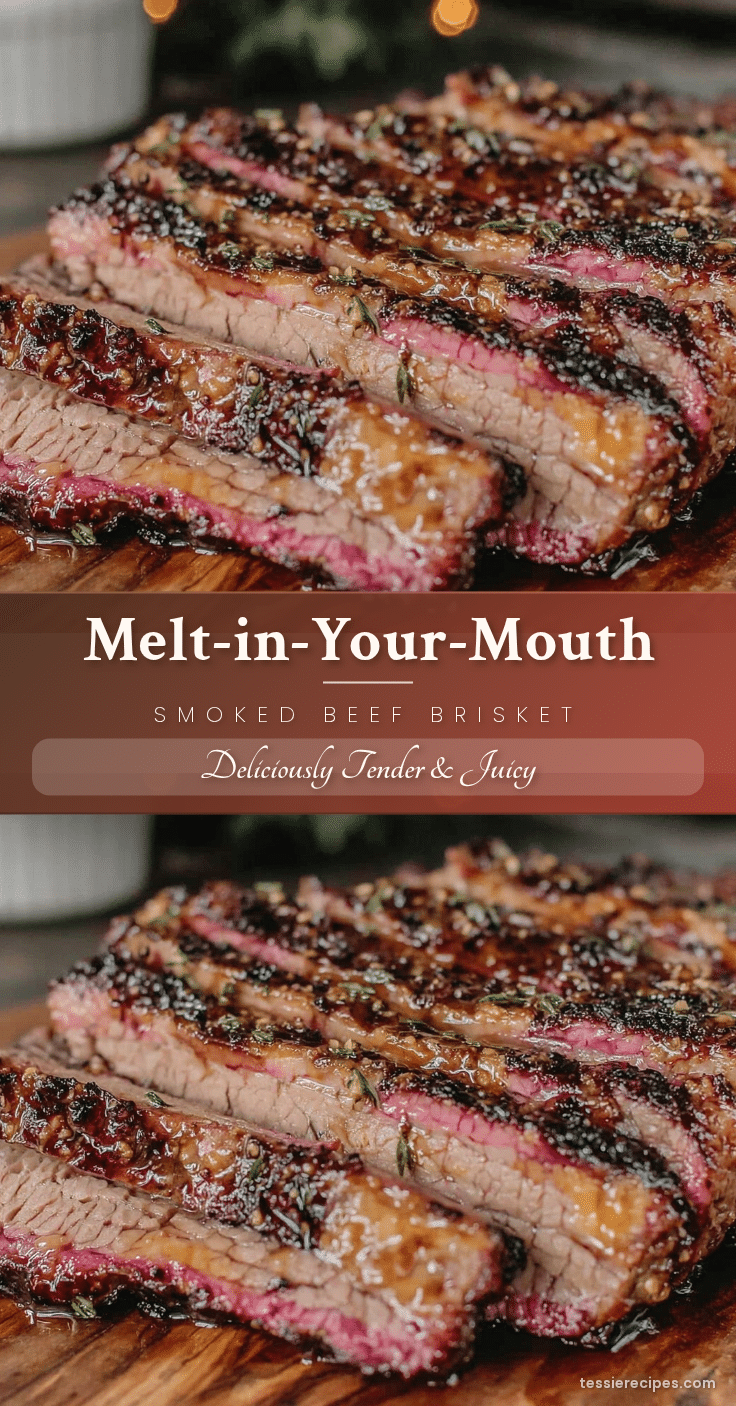
Tender Smoked Beef Brisket Recipe Easy Perfect Caramelized Bark Guide
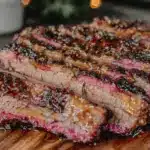
A reliable and delicious smoked beef brisket recipe featuring a perfectly caramelized bark and melt-in-your-mouth tender interior, ideal for gatherings and barbecue lovers.
- Prep Time: 1 hour
- Cook Time: 8 to 10 hours
- Total Time: 9 to 11 hours
- Yield: 8 to 10 servings 1x
- Category: Main Course
- Cuisine: American Barbecue
Ingredients
- 5 to 6 pounds whole packer beef brisket with fat cap
- 3 tablespoons kosher salt
- 2 tablespoons coarse black pepper
- 2 tablespoons paprika (smoked paprika optional)
- 1 tablespoon garlic powder
- 1 tablespoon onion powder
- 2 tablespoons brown sugar (light or dark)
- 1 teaspoon mustard powder (optional)
- Wood chips for smoking (hickory, oak, apple, or cherry)
Instructions
- Trim excess fat from the brisket, leaving about 1/4 inch fat cap; remove silver skin and tough bits (about 15 minutes).
- Prepare the rub by mixing kosher salt, black pepper, paprika, garlic powder, onion powder, brown sugar, and mustard powder in a bowl.
- Pat the brisket dry and generously apply the rub all over, pressing it in to form a coating. Let rest at room temperature for 30 to 45 minutes.
- Preheat smoker to 225°F. Add wood chips or chunks, maintaining thin blue smoke.
- Place brisket fat side up on smoker grate and insert probe thermometer into the thickest part. Smoke until internal temperature reaches 165°F, about 5 to 6 hours, spritzing every hour with apple cider vinegar or water.
- Wrap brisket tightly in butcher paper or aluminum foil and return to smoker. Continue cooking until internal temperature reaches 203°F, about 2 to 3 hours.
- Remove wrapped brisket and let rest for at least 1 hour in a cooler or warm area.
- Slice brisket against the grain into 1/4-inch thick slices and serve.
Notes
Keep smoker temperature low and steady at 225°F for best results. Spritz brisket hourly to maintain moisture. Wrapping at 165°F helps push through the stall and retain juices. Rest brisket for at least 1 hour before slicing to redistribute juices. Use butcher paper for a crisper bark or foil for more moisture retention. If no smoker is available, use a grill with indirect heat and soaked wood chips or an oven with liquid smoke.
Nutrition
- Serving Size: 4 ounces (113 grams)
- Calories: 280
- Fat: 20
- Protein: 20
Keywords: smoked brisket, beef brisket recipe, barbecue, caramelized bark, smoked meat, easy brisket, backyard barbecue