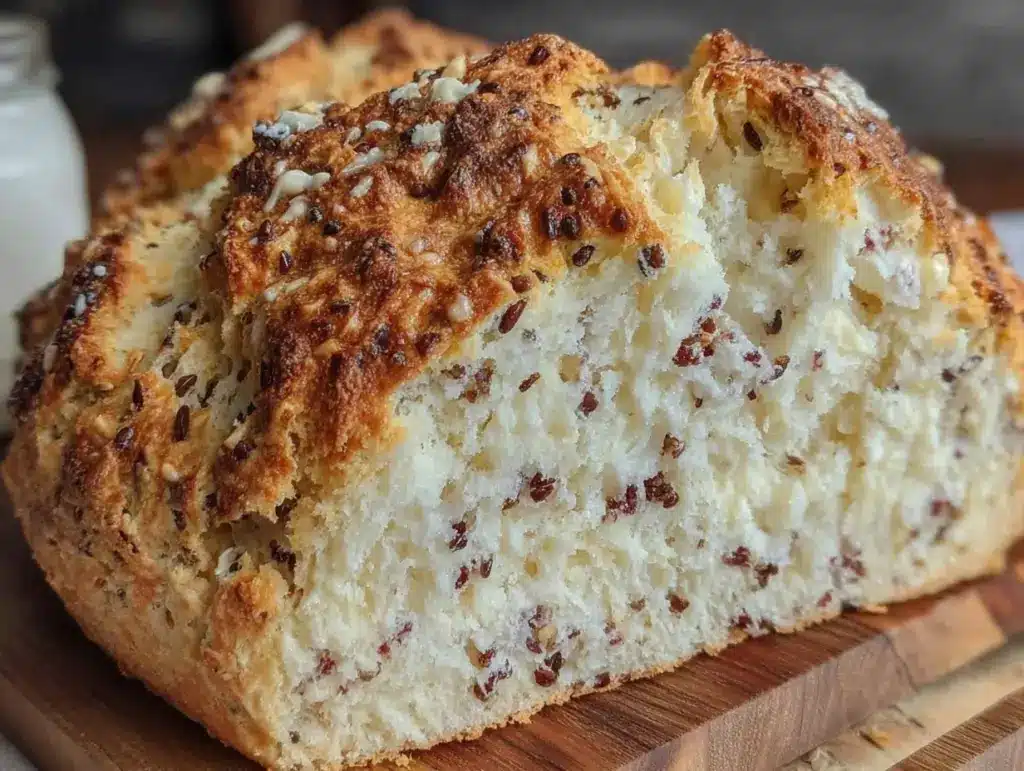
It was one of those chilly Sunday afternoons when the wind howled outside, and the house smelled faintly of damp earth and wood smoke. I’d just come back from a long walk through the neighborhood, boots caked in mud, craving something warm and simple. Honestly, I wasn’t planning on baking anything complicated—just something to fill the kitchen with a cozy aroma and offer a little comfort. That’s when the idea for this Cozy Irish Soda Bread with Caraway Seeds took shape.
I remember glancing at my pantry, spotting the usual suspects: flour, baking soda, buttermilk, and a small jar of caraway seeds that had been sitting forgotten for months. Skeptical at first about using caraway seeds—they’re not everyone’s cup of tea—I decided to give it a go, figuring the spice might add an interesting twist. The whole process was quick and low-fuss, and within an hour, I had a golden, crusty loaf cooling on the rack.
What struck me was how the aroma filled the room, warm with hints of anise and earthiness from the caraway, mingling perfectly with the rustic scent of freshly baked bread. That loaf became my go-to on those slow, quiet days when I just want to curl up with a cup of tea and a good book. There’s something honest and unpretentious about this recipe—like a whispered invitation to slow down and savor simple pleasures. It’s the kind of bread that feels like an old friend, quietly reliable and always welcome.
Why You’ll Love This Recipe
This Cozy Irish Soda Bread with Caraway Seeds isn’t just another bread recipe—it’s a little comforting ritual that fits easily into your life, even on hectic days.
- Quick & Easy: Ready in under an hour, perfect for those moments when you want fresh bread without the wait or fuss of yeast.
- Simple Ingredients: You probably already have everything in your kitchen—no need for specialty shopping trips.
- Perfect for Cozy Occasions: Whether it’s a lazy weekend breakfast or an impromptu gathering, this bread brings warmth to any table.
- Crowd-Pleaser: The subtle caraway seeds add a unique flavor that surprises and delights, even those who aren’t usually into seeded breads.
- Unbelievably Delicious: The crust has a satisfying crunch, while the inside stays tender and slightly crumbly—the perfect texture combo.
What really sets this recipe apart is the balance—the caraway seeds aren’t overpowering but bring that hint of aromatic depth that makes each slice interesting. Plus, the soda bread’s rustic charm feels like a little nod to tradition without any complicated steps. Honestly, after making this a few times, it became my comfort food reset, the kind that feels like a warm hug even on the busiest days.
What Ingredients You Will Need
This recipe uses simple, wholesome ingredients to deliver bold flavor and a satisfying texture without the fuss. Most of these are pantry staples, and the caraway seeds add a lovely aromatic touch that makes the bread stand out.
- All-Purpose Flour — 4 cups (480 g), sifted for a light texture
- Baking Soda — 1 teaspoon, the leavening agent that gives soda bread its rise
- Salt — 1 teaspoon, enhances flavor
- Caraway Seeds — 2 teaspoons, toasted lightly to bring out nuttiness (I like using McCormick brand for consistent quality)
- Buttermilk — 1¾ cups (420 ml), room temperature; if you don’t have buttermilk, mix 1¾ cups milk with 1 tablespoon lemon juice or vinegar and let sit for 5 minutes
- Unsalted Butter — 2 tablespoons, melted and cooled (optional, adds richness but not necessary)
For anyone craving a gluten-free version, swapping the all-purpose flour for a gluten-free blend works well, though the texture will be a bit different. If you’re avoiding dairy, almond or oat milk with a splash of apple cider vinegar can replace buttermilk. The caraway seeds are optional but highly recommended—they give this bread its signature cozy, slightly spicy warmth. Also, if fresh caraway isn’t available, fennel seeds offer a nice substitute, though the flavor is a bit sweeter and less earthy.
Equipment Needed
- Large Mixing Bowl: A sturdy bowl to mix your dry ingredients comfortably.
- Wooden Spoon or Silicone Spatula: Useful for combining the ingredients without overmixing.
- Baking Sheet or Cast Iron Skillet: Both work great; a cast iron skillet gives a nice crust but a baking sheet is perfectly fine.
- Parchment Paper or Silicone Baking Mat: To prevent sticking and ease cleanup.
- Measuring Cups and Spoons: For precise ingredient amounts; I usually prefer a digital scale for flour to avoid dense bread.
- Cooling Rack: To let the bread cool properly and keep the crust crisp.
If you don’t own a cast iron skillet, no worries—your baking sheet lined with parchment works just fine. Also, a kitchen scale is a nice-to-have but not essential if you don’t mind slight variations. I’ve found that mixing by hand with a wooden spoon keeps the dough from getting tough, so no need for fancy mixers here.
Preparation Method
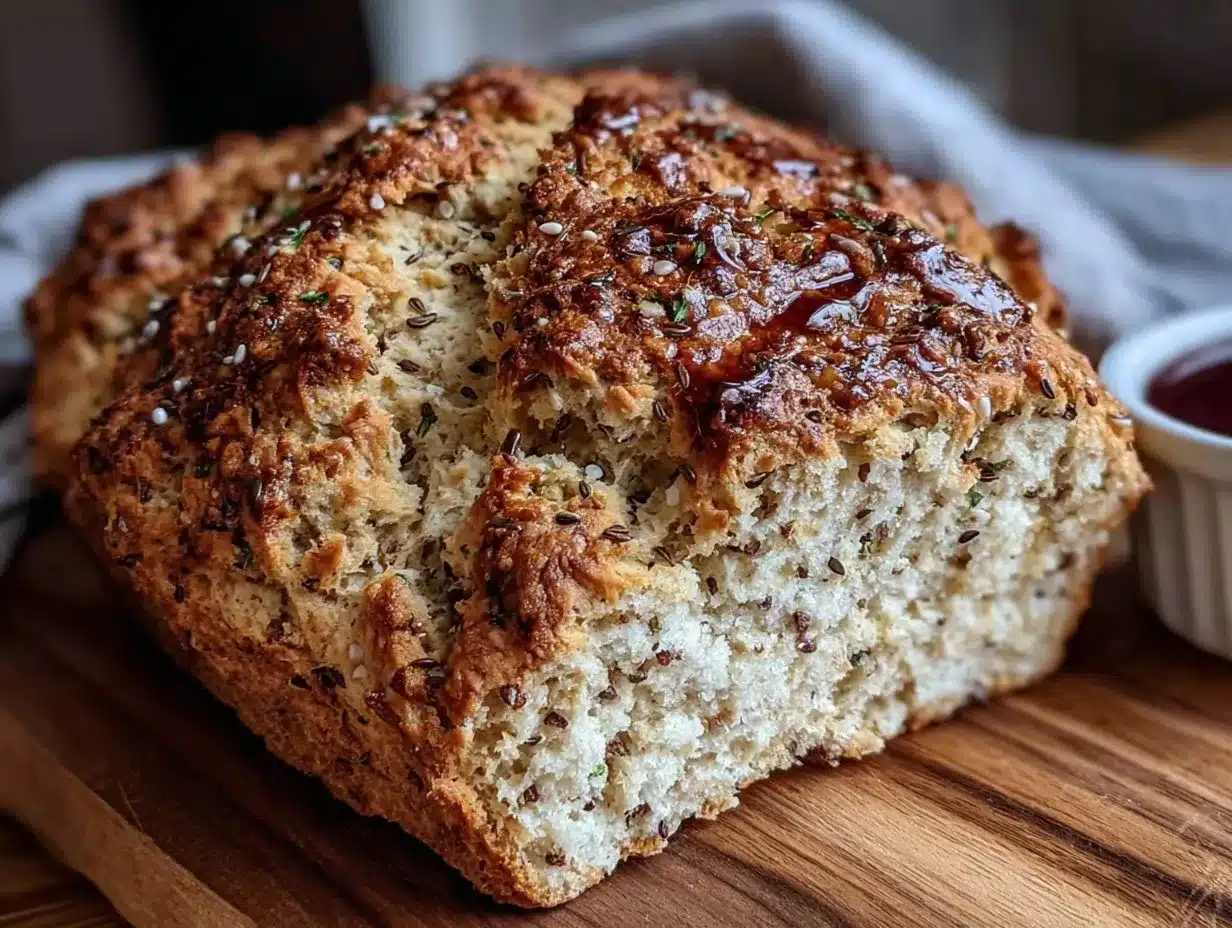
- Preheat the oven to 425°F (220°C). Position your oven rack in the middle. This high temperature helps create that classic crispy crust.
- Toast the caraway seeds. In a dry skillet over medium heat, toast the caraway seeds for about 2 minutes until fragrant—watch closely so they don’t burn. Set aside to cool.
- Mix the dry ingredients. In your large bowl, whisk together the flour, baking soda, salt, and toasted caraway seeds. Breaking up any lumps here will help your bread rise evenly.
- Add the wet ingredients. Make a well in the center of the dry mix and pour in the buttermilk and melted butter (if using). Stir gently with a wooden spoon until the dough just comes together. It will be sticky and shaggy—that’s exactly right!
- Form the dough. Lightly flour your hands and turn the dough onto a floured surface. Knead it gently just 3-4 times to bring it into a rough ball. Overworking can make the bread tough.
- Shape and score. Flatten the dough slightly into a round about 7 inches (18 cm) wide and 2 inches (5 cm) thick. Using a sharp knife, cut a deep cross (about ½ inch / 1 cm deep) on top. This helps the bread bake evenly and is traditional for Irish soda bread.
- Bake the bread. Transfer the dough carefully to your baking sheet or skillet lined with parchment. Bake for 35-40 minutes, until the crust is golden and a toothpick inserted in the center comes out clean.
- Cool completely. Let the bread cool on a wire rack for at least 30 minutes before slicing. This resting time finishes the cooking process and keeps the crumb tender.
One time I baked it a bit too soon and sliced it while still warm—the crumb was gummy. Lesson learned: patience is key here! Also, if your bread browns too fast, tent it loosely with foil halfway through baking.
Cooking Tips & Techniques
When making Irish soda bread, a few tricks make the difference between good and great:
- Don’t overmix or overknead: The dough should be sticky and loose. Overworking develops gluten, making the bread dense and heavy.
- Use fresh baking soda: Old baking soda loses its power, so test it by dropping a little in vinegar—it should fizz vigorously.
- Toast the caraway seeds: This unlocks their aroma and adds a toasty depth to every bite.
- Score the dough deeply: This helps the bread expand and creates that classic rustic appearance.
- Watch baking time closely: Ovens vary, so start checking at 35 minutes. The bread should sound hollow when tapped on the bottom.
I once skipped the scoring step, thinking it was just decorative, but the bread cracked unpredictably and looked rough. Since then, I make that cross cut religiously—it’s practical and pretty. Also, multitasking during those 35 minutes of baking is a lifesaver—cleaning up or prepping a simple salad while the bread works its magic.
Variations & Adaptations
This recipe is surprisingly adaptable, so you can tailor it to your taste or dietary needs:
- Cheese & Herb Soda Bread: Add 1 cup (100 g) shredded sharp cheddar and 2 tablespoons chopped fresh rosemary or thyme for a savory twist.
- Gluten-Free Version: Swap the all-purpose flour for a 1-to-1 gluten-free baking flour blend. The texture will be a bit crumblier but still delicious.
- Sweet Irish Soda Bread: Toss in ¼ cup (50 g) brown sugar and ½ cup (75 g) raisins or currants. Omit caraway seeds for a softer, sweeter flavor profile.
If you like a softer crust, try baking the bread in a covered Dutch oven for the first 20 minutes, then uncover for the last 15. For a dairy-free option, use oat milk with a splash of vinegar instead of buttermilk. I personally tried the cheese and herb version during a casual brunch, and it disappeared faster than the plain one—definitely a keeper for savory lovers.
Serving & Storage Suggestions
Irish soda bread is best enjoyed fresh, but it also keeps quite well:
- Serving: Slice thick and serve warm with butter and jam—or alongside hearty soups and stews. The caraway seeds pair beautifully with sharp cheeses and cured meats.
- Storage: Store cooled bread in an airtight container or wrapped tightly in plastic wrap at room temperature for up to 2 days.
- Freezing: Wrap the loaf or slices well in foil and place in a freezer bag. Freeze for up to 3 months.
- Reheating: Toast slices directly or warm whole loaf in a 350°F (175°C) oven for 10-15 minutes to refresh the crust.
The flavor actually deepens a bit after a day, with the caraway becoming more pronounced. If you’ve got leftovers, I find toasted slices with a smear of cream cheese or sharp mustard make a quick, satisfying snack. Just avoid storing it in the fridge—it dries out the crumb faster.
Nutritional Information & Benefits
Each slice of this Irish soda bread brings simple nourishment:
- Calories: Approximately 180 per 1/8 loaf slice
- Carbohydrates: 35g
- Protein: 4g
- Fat: 3g (mostly from optional butter)
Using buttermilk adds a bit of calcium and probiotics, good for digestion. Caraway seeds are a traditional digestive aid, known for soothing the stomach and adding fiber. This bread is naturally free from yeast and doesn’t require long fermentation, making it easy on sensitive tummies. Plus, it’s free from preservatives and additives you find in store-bought bread, so it’s a wholesome choice for everyday comfort.
Conclusion
When I think about what makes this Cozy Irish Soda Bread with Caraway Seeds special, it’s the simplicity and the comforting familiarity it brings to the table. It’s a recipe that doesn’t demand much but rewards you with a warm, crusty loaf and that subtle, inviting flavor of caraway. You can tweak it to match your mood or pantry, and honestly, it rarely disappoints.
Whether you’re serving it for a casual snack or alongside a hearty meal, this bread adds a little touch of calm and tradition. I always come back to it on days when I want to slow down and enjoy something honest and satisfying. Give it a try, make it your own, and share how you like it best—I love hearing the little twists other home cooks bring to this classic.
Here’s to warm kitchens and good bread!
FAQs
What makes Irish soda bread different from regular bread?
Irish soda bread uses baking soda as a leavening agent instead of yeast, which means it rises quickly without needing time to proof. This creates a denser, crumbly texture with a crisp crust.
Can I make this recipe without caraway seeds?
Yes! Caraway seeds add a unique flavor, but if you’re not a fan, simply omit them or substitute with fennel seeds or an herb like rosemary for a different twist.
How do I know when the bread is fully baked?
The bread should be golden brown and sound hollow when tapped on the bottom. You can also insert a toothpick or skewer into the center; it should come out clean.
Is it necessary to use buttermilk?
Buttermilk adds acidity which reacts with baking soda to help the bread rise. If you don’t have buttermilk, mix regular milk with 1 tablespoon of lemon juice or vinegar and let it sit for 5 minutes as a substitute.
Can I freeze the soda bread?
Absolutely! Wrap the cooled bread tightly in foil and place it in a freezer bag. Freeze for up to 3 months and thaw or reheat as needed.
Pin This Recipe!
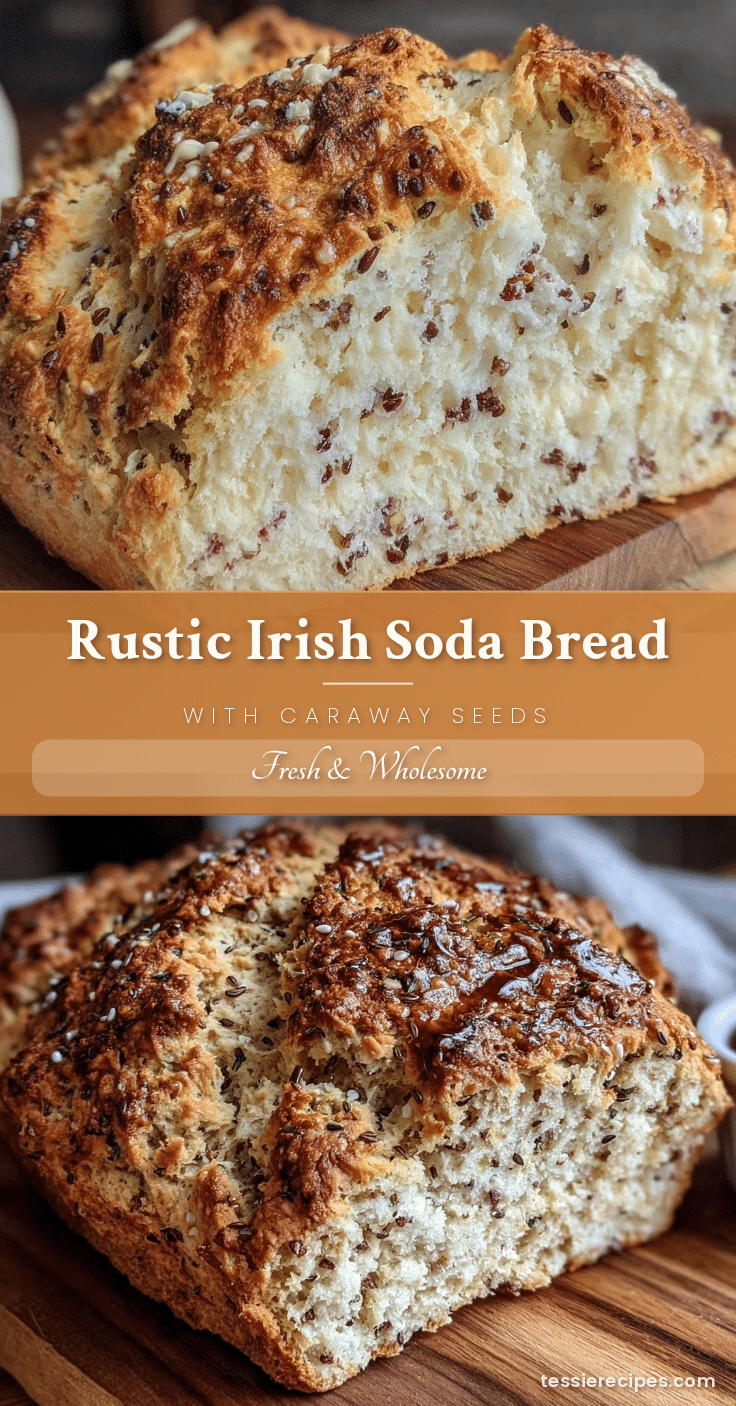
Cozy Irish Soda Bread with Caraway Seeds

A quick and easy Irish soda bread recipe featuring toasted caraway seeds for a warm, aromatic flavor. Perfect for cozy occasions and ready in under an hour.
- Prep Time: 15 minutes
- Cook Time: 40 minutes
- Total Time: 55 minutes
- Yield: 8 servings 1x
- Category: Bread
- Cuisine: Irish
Ingredients
- 4 cups (480 g) all-purpose flour, sifted
- 1 teaspoon baking soda
- 1 teaspoon salt
- 2 teaspoons caraway seeds, toasted
- 1¾ cups (420 ml) buttermilk, room temperature (or 1¾ cups milk + 1 tablespoon lemon juice/vinegar, let sit 5 minutes)
- 2 tablespoons unsalted butter, melted and cooled (optional)
Instructions
- Preheat the oven to 425°F (220°C). Position the oven rack in the middle.
- Toast the caraway seeds in a dry skillet over medium heat for about 2 minutes until fragrant. Set aside to cool.
- In a large mixing bowl, whisk together the flour, baking soda, salt, and toasted caraway seeds.
- Make a well in the center of the dry ingredients and pour in the buttermilk and melted butter (if using). Stir gently with a wooden spoon until the dough just comes together; it will be sticky and shaggy.
- Lightly flour your hands and turn the dough onto a floured surface. Knead gently 3-4 times to form a rough ball. Avoid overworking.
- Flatten the dough into a round about 7 inches (18 cm) wide and 2 inches (5 cm) thick. Using a sharp knife, cut a deep cross about ½ inch (1 cm) deep on top.
- Transfer the dough to a baking sheet or cast iron skillet lined with parchment paper.
- Bake for 35-40 minutes until the crust is golden and a toothpick inserted in the center comes out clean.
- Cool the bread completely on a wire rack for at least 30 minutes before slicing.
Notes
Do not overmix or overknead the dough to avoid dense bread. Use fresh baking soda for best rise. Toast caraway seeds to enhance aroma. Score the dough deeply to help it expand evenly. If bread browns too fast, tent with foil halfway through baking. Let bread cool completely before slicing to avoid gummy crumb.
Nutrition
- Serving Size: 1 slice (1/8 of loaf
- Calories: 180
- Fat: 3
- Carbohydrates: 35
- Protein: 4
Keywords: Irish soda bread, caraway seeds, quick bread, no yeast bread, homemade bread, easy bread recipe, traditional Irish bread